 English
 русский
 Español
 عربى
عربى20T Self-Aligning Airfoil Welding Rotary Machine
Cat:Customized Welding Rotator
The 20T airfoil self-aligning welding rotary machine is widely used in industries such as pressure vessels, chemical equipment, wind turbine towers, p...
See Details
In today's industrial manufacturing landscape, the production of metal tanks and pipes requires precision, efficiency, and consistency. One piece of equipment that has become increasingly valuable in this sector is the Welding Rotator/Turning Roller/Roller Frame. This specialized machinery has revolutionized how manufacturers approach welding operations for cylindrical workpieces, offering enhanced control and improved working conditions for welders.
The manufacturing of pressure vessels, boilers, and large cylindrical structures presents unique challenges. Traditional welding methods often require manual rotation of heavy workpieces, leading to inconsistencies and potential safety hazards. Welding rotators address these concerns by providing automated rotation capabilities that ensure uniform weld quality while reducing physical strain on workers.
The application of welding rotators extends across various industries, including oil and gas, chemical processing, power generation, and infrastructure development. These machines are specifically designed to handle the welding of both longitudinal and circumferential seams on cylindrical objects. The ability to maintain consistent rotation speed and positioning allows for continuous welding operations, significantly improving productivity and weld quality.
Modern welding rotators, such as those produced by WeldNice, feature advanced structural designs that accommodate different workpiece sizes and weights. The adjustable roller frames can be modified to fit various diameters, making them versatile tools for fabrication shops that handle diverse projects. This adaptability ensures that manufacturers can use the same equipment for multiple applications, maximizing their investment return.
Weld quality is paramount in pressure vessel and tank manufacturing, where structural integrity directly impacts safety and performance. Welding rotators contribute to improved weld quality through several mechanisms:
| Welding Aspect | Without Rotator | With Rotator |
|---|---|---|
| Speed Consistency | Variable, manual control | Automated, precise control |
| Weld Quality | Inconsistent, potential defects | Uniform, high quality |
| Worker Fatigue | High, physical strain | Reduced, ergonomic operation |
| Production Rate | Limited by manual rotation | Increased, continuous operation |
Contemporary welding rotators incorporate numerous features designed to enhance functionality and user experience. These machines have evolved from simple rotation devices to sophisticated systems that integrate with modern welding processes and automation technologies.
The structural integrity of welding rotators is crucial for their performance and longevity. High-quality rotators feature robust frames constructed from durable materials capable of supporting substantial loads. The roller mechanisms are engineered to provide smooth, stable rotation while maintaining precise control over speed and positioning.
Adjustable roller frames allow operators to accommodate different workpiece diameters quickly. This flexibility is particularly valuable in fabrication environments where project specifications vary frequently. Some advanced models include powered adjustment mechanisms that further reduce setup time and improve accuracy.
Modern welding rotators offer various operational features designed to streamline welding processes:
| Feature Category | Standard Features | Advanced Options |
|---|---|---|
| Speed Control | Manual adjustment | Digital display, programmable settings |
| Power System | Single motor drive | Dual motor, synchronized operation |
| Safety Features | Emergency stop | Load sensors, automatic shut-off |
| Control Interface | Local control panel | Remote control, integration capability |
The evolution of welding rotators has paralleled advancements in welding technology. Modern systems can integrate with automated welding equipment, creating comprehensive solutions for high-volume production environments. This integration enables synchronized operation between rotation and welding processes, further enhancing consistency and productivity.
Some welding rotators feature communication protocols that allow them to interface with welding power sources, positioners, and other automation components. This connectivity supports the development of sophisticated welding cells that can operate with minimal human intervention, reducing labor costs while maintaining high quality standards.
The versatility of welding rotators makes them valuable across numerous industrial sectors. Their ability to handle various workpiece sizes and types enables widespread adoption in different manufacturing environments.
The pressure vessel industry represents one of the primary applications for welding rotators. These components require precise welding of both longitudinal and circumferential seams to ensure structural integrity and safety. Welding rotators enable manufacturers to meet stringent quality standards while maintaining production efficiency.
Boiler manufacturing involves the assembly of cylindrical sections that must be joined with high-quality welds. The use of welding rotators ensures consistent weld penetration and uniform bead appearance, which are critical for boiler performance and longevity. Additionally, the ability to rotate large boiler sections reduces the need for manual handling, improving workplace safety.
The pipe manufacturing industry benefits significantly from welding rotator technology. Large-diameter pipes used in oil and gas transmission, water distribution, and industrial applications require precise longitudinal seam welding. Welding rotators provide the rotation necessary for continuous welding operations, resulting in consistent quality along the entire pipe length.
Storage tank fabrication involves welding cylindrical sections that form the tank body. These applications often require welding of both inner and outer surfaces, which can be challenging without proper rotation equipment. Welding rotators enable access to all areas of the tank while maintaining optimal welding positions, ensuring complete coverage and quality.
| Industry | Common Applications | Benefits Realized |
|---|---|---|
| Oil & Gas | Pipeline sections, storage tanks | Improved weld quality, faster production |
| Power Generation | Boilers, pressure vessels | Consistent quality, reduced rework |
| Chemical Processing | Reactors, process vessels | Enhanced safety, reliable performance |
| Infrastructure | Water tanks, silos | Cost efficiency, quality assurance |
Beyond traditional applications, welding rotators find use in specialized manufacturing sectors. The aerospace industry utilizes these machines for welding cylindrical components that require exceptional precision. Similarly, the renewable energy sector employs welding rotators in the production of wind turbine components and other specialized equipment.
Custom fabrication shops also benefit from the versatility of welding rotators. These businesses often handle diverse projects with varying requirements, making the adaptability of welding rotators particularly valuable. The ability to quickly adjust to different workpiece sizes and types enables these shops to take on a wider range of projects efficiently.
Choosing the appropriate welding rotator requires careful consideration of various factors to ensure it meets specific operational needs. Understanding these criteria helps manufacturers make informed decisions that align with their production requirements and budget constraints.
The primary consideration when selecting a welding rotator is its load capacity relative to the intended workpieces. Rotators are available in various capacity ranges, from light-duty models for small components to heavy-duty systems capable of handling several tons. It's essential to choose a rotator with adequate capacity to handle the maximum weight anticipated in production.
Workpiece dimensions also play a crucial role in selection. The diameter range that the rotator can accommodate should match the typical sizes of components being welded. Some models offer adjustable roller frames that can handle a wide range of diameters, providing greater flexibility for diverse production needs.
The power system of a welding rotator determines its performance capabilities. Electric motors are commonly used, with options for different horsepower ratings depending on the load capacity. Variable frequency drives (VFDs) enable precise speed control, which is essential for achieving consistent weld quality.
Operational features should align with the intended use case. Basic models may offer simple on/off controls with fixed speeds, while advanced systems provide programmable settings, remote control capabilities, and integration options with other welding equipment. The choice depends on the level of automation desired and the complexity of welding operations.
| Selection Factor | Considerations | Impact on Operations |
|---|---|---|
| Load Capacity | Maximum weight, safety margin | Equipment capability, safety compliance |
| Diameter Range | Minimum/maximum diameters | Versatility, project scope |
| Speed Control | Variable speed, precision | Weld quality, process flexibility |
| Power Requirements | Voltage, phase, consumption | Facility compatibility, operating costs |
Modern manufacturing environments place increasing emphasis on safety and environmental compliance. Welding rotators should incorporate safety features such as emergency stop buttons, overload protection, and guarding mechanisms to prevent accidents during operation.
Environmental factors include noise levels, energy efficiency, and emissions. Advanced welding rotators often feature energy-efficient motors and quiet operation, contributing to better working conditions and reduced environmental impact. Some models also include dust and debris collection systems to maintain clean work environments.
Proper maintenance and operation of welding rotators are essential for ensuring longevity, performance, and safety. Establishing comprehensive maintenance procedures helps prevent downtime and extends equipment life.
Regular maintenance activities should include inspection of mechanical components, lubrication of moving parts, and verification of safety systems. The roller mechanisms require particular attention, as they directly affect rotation quality and workpiece stability.
Electrical systems should be inspected periodically to ensure proper connections and functioning of control systems. Any signs of wear or damage should be addressed promptly to prevent more serious issues. Keeping detailed maintenance records helps track equipment condition and schedule preventive maintenance effectively.
Proper operator training is crucial for safe and efficient operation of welding rotators. Training should cover equipment functions, safety procedures, emergency response, and basic maintenance tasks. Operators should understand load capacity limitations and proper workpiece securing techniques.
Safety protocols should include regular equipment inspections before use, proper personal protective equipment (PPE) requirements, and clear procedures for handling emergencies. Establishing a culture of safety awareness helps prevent accidents and ensures compliance with occupational health and safety regulations.
Maximizing the benefits of welding rotators involves optimizing their use within the welding process. This includes selecting appropriate rotation speeds for different materials and thicknesses, positioning workpieces correctly, and coordinating rotation with welding parameters.
Process optimization may involve experimenting with different settings to find the combination that produces the best weld quality for specific applications. Documenting successful parameters helps establish standard procedures that can be consistently applied across similar projects.
The welding rotator industry continues to evolve, incorporating new technologies and features that enhance functionality and user experience. Understanding these trends helps manufacturers prepare for future developments and make informed investment decisions.
The trend toward increased automation in manufacturing extends to welding rotators. Future models are likely to feature enhanced connectivity options, allowing integration with smart manufacturing systems and Industry 4.0 initiatives. This connectivity enables real-time monitoring, predictive maintenance, and remote operation capabilities.
Advanced sensors and monitoring systems will provide detailed data on equipment performance, wear patterns, and operational efficiency. This information can be used to optimize processes, schedule maintenance, and improve overall equipment effectiveness.
Environmental concerns and energy costs drive the development of more efficient welding rotators. Future models will likely incorporate energy-saving technologies such as regenerative braking, high-efficiency motors, and intelligent power management systems.
Sustainability considerations also influence material selection and manufacturing processes for welding rotators. The use of recyclable materials, environmentally friendly lubricants, and reduced-emission production methods will become increasingly important as manufacturers focus on reducing their environmental footprint.
Future developments will focus on improving the user experience through better ergonomics and more intuitive interfaces. Touchscreen controls, mobile applications for remote monitoring, and augmented reality for maintenance guidance are among the innovations that may become standard features.
Ergonomic improvements will reduce operator fatigue and improve workplace safety. This includes adjustable control positions, improved visibility of workpieces, and reduced noise and vibration levels during operation.
Welding rotators have become indispensable equipment in modern metal fabrication, particularly for the production of tanks, pipes, and pressure vessels. Their ability to provide controlled rotation during welding operations significantly improves quality, efficiency, and safety in manufacturing processes.
The benefits of implementing welding rotators extend beyond immediate productivity gains. They contribute to consistent weld quality, reduced rework, improved worker safety, and enhanced competitiveness in the market. As technology continues to advance, these machines will become even more capable and integrated into smart manufacturing environments.
For manufacturers considering the adoption or upgrade of welding rotator technology, careful evaluation of current needs and future requirements is essential. Selecting equipment that offers the right balance of capacity, features, and adaptability ensures long-term value and supports growth in production capabilities.
The evolution of welding rotator technology reflects the broader trends in manufacturing toward automation, efficiency, and quality. By embracing these advancements and implementing best practices in operation and maintenance, manufacturers can position themselves for success in an increasingly competitive global market.
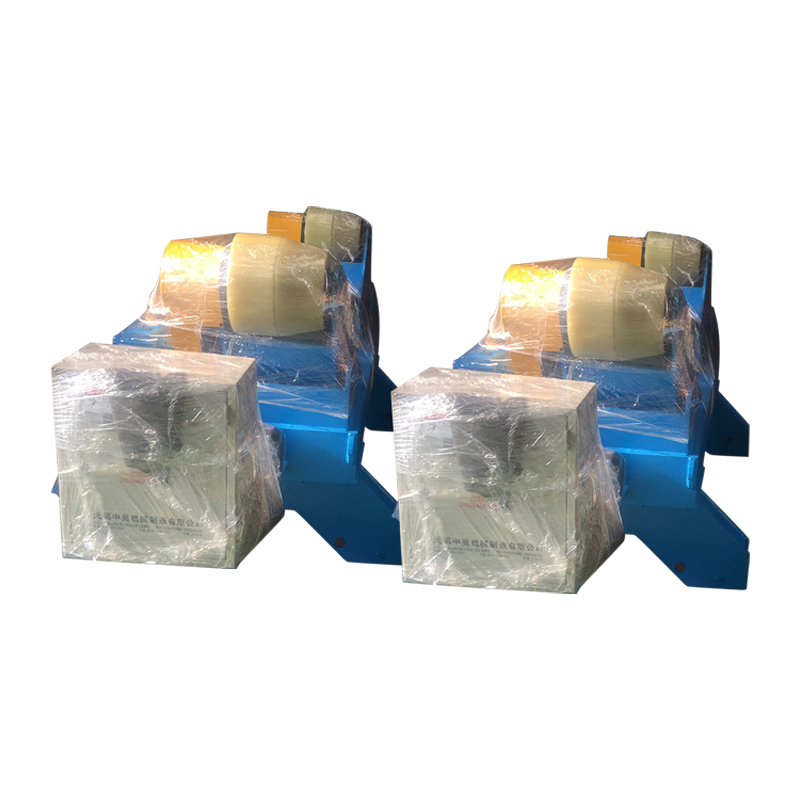
The 20T airfoil self-aligning welding rotary machine is widely used in industries such as pressure vessels, chemical equipment, wind turbine towers, p...
See Details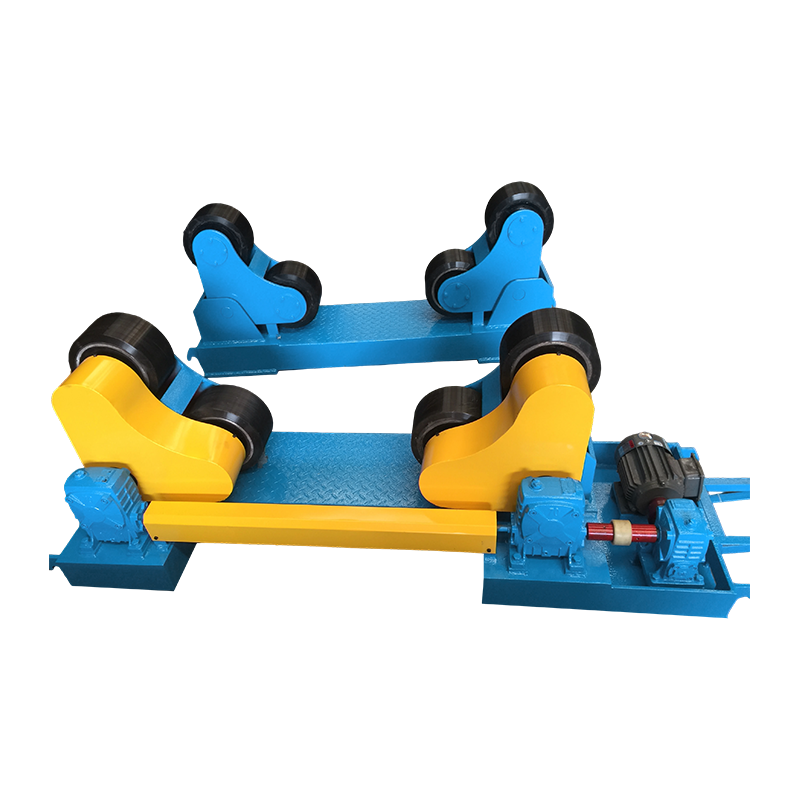
The 10T Extended Self-Aligning Welding Rotary Machine features a self-aligning design, automatically adjusting the balance of the workpiece to ensure ...
See Details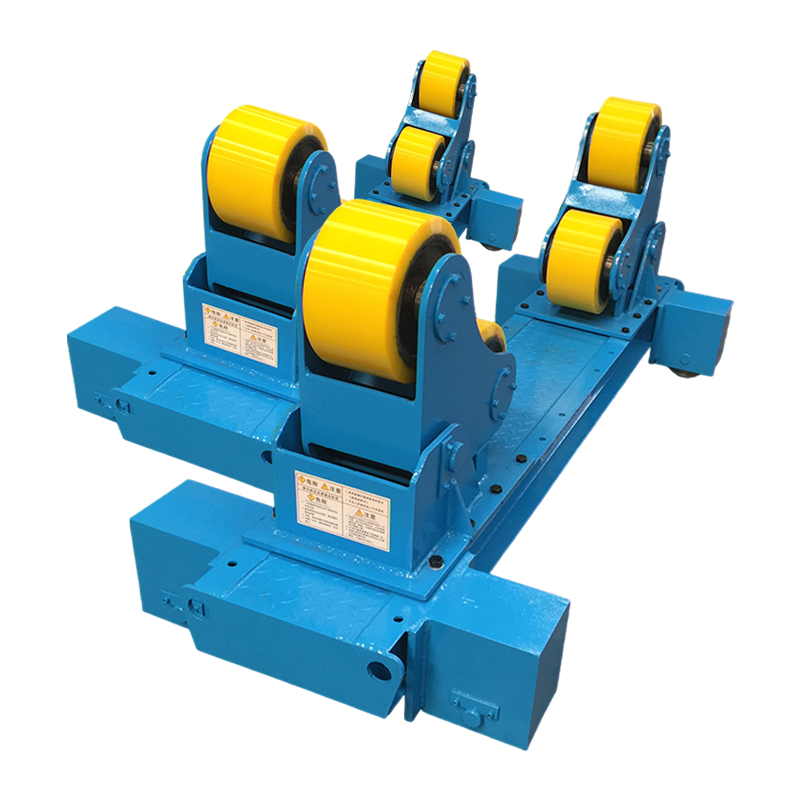
The 20T Self-Aligning Welding Rotator with Manual Orbital Movement and Additional Double Cycloidal Connected Reducer is a specialized piece of equipme...
See Details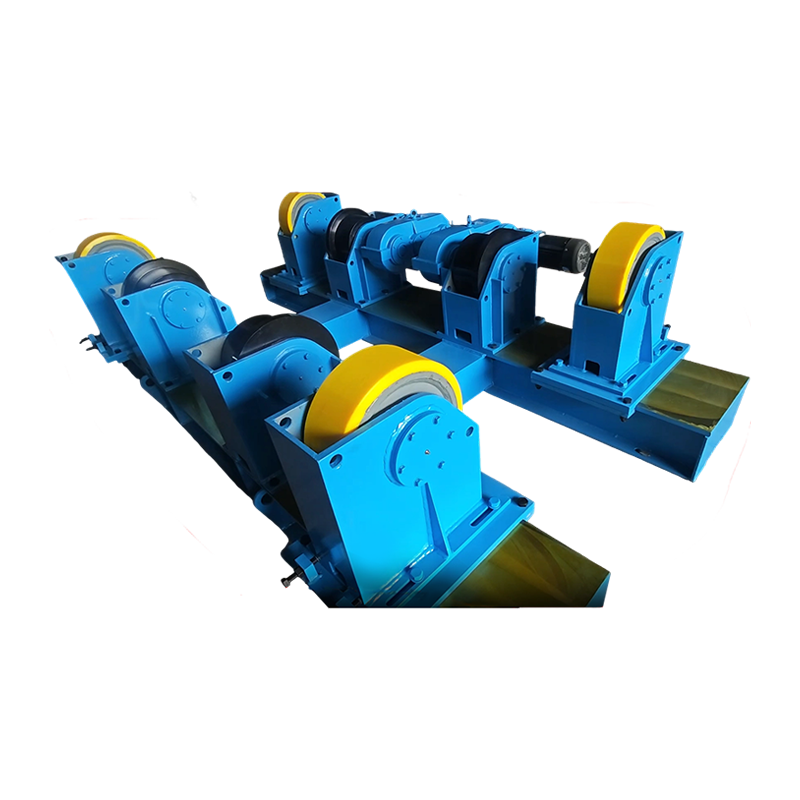
The 50T Adjustable Welding Rotator (Customized Version) is a welding auxiliary equipment designed specifically for heavy industry. Through intelligent...
See Details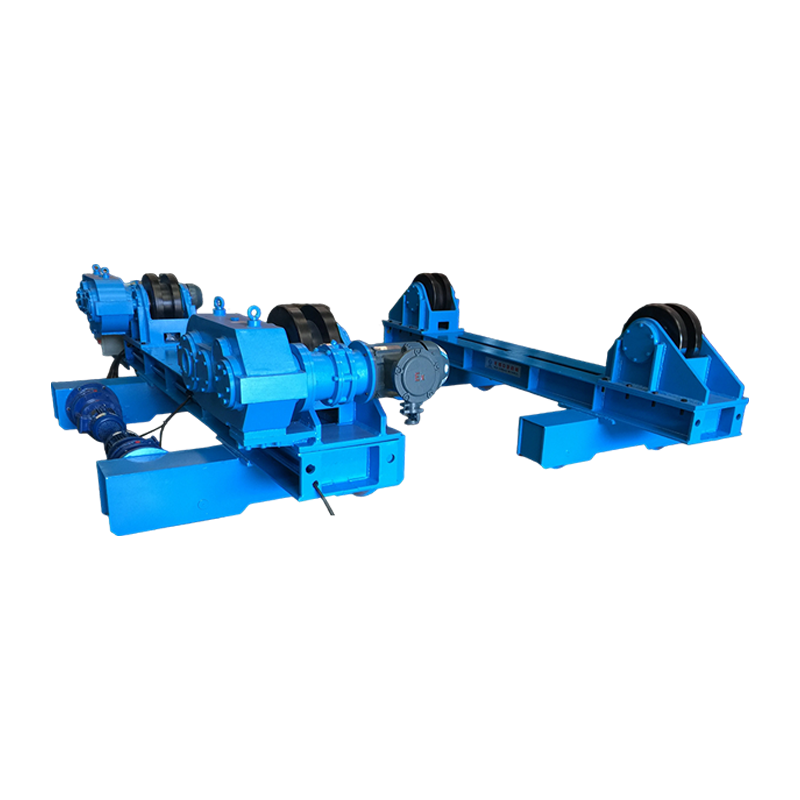
This 40T Adjustable Welding Rotator with Manual Orbital Movement & Additional Groove Rollers is a process equipment specifically designed for heav...
See Details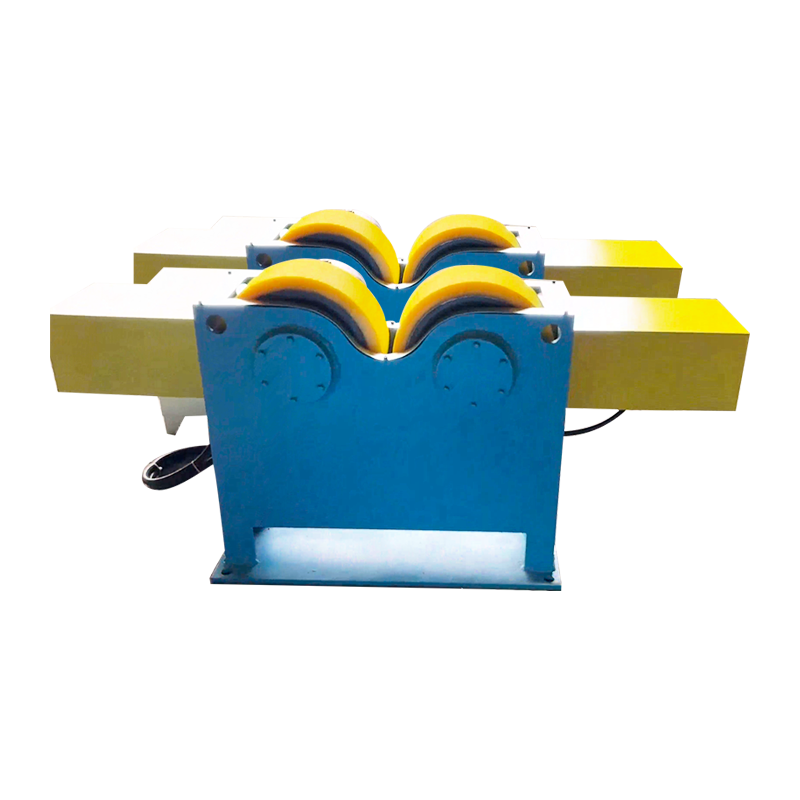
10t welding rotator-fixed is a special fixed auxiliary equipment for welding of 10t heavy workpieces. It adopts a modular rigid structure and the core...
See Details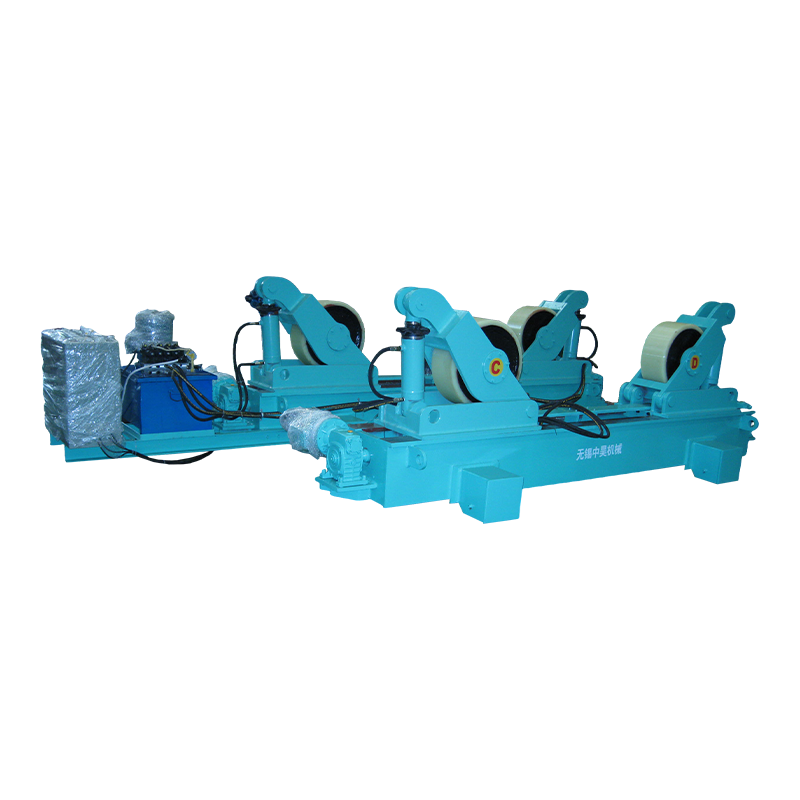
80t fit up welding rotator with manual orbital movement is a special equipment for welding medium and heavy workpieces. It can carry 80 tons and is su...
See Details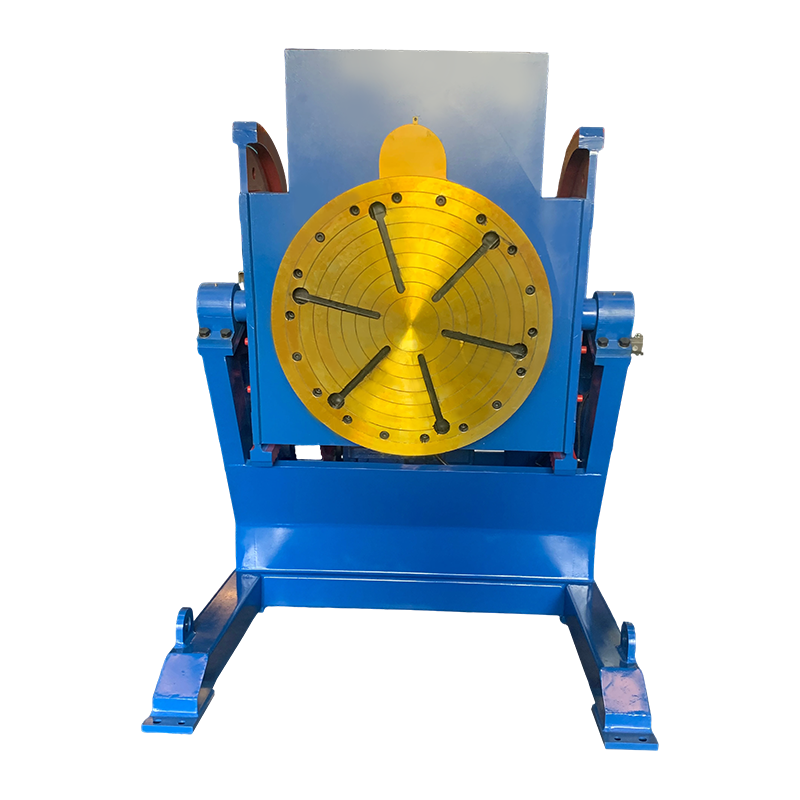
The 10T Conventional Welding Positioner is rated to carry 10 tons and is built for welding small to medium workpieces. The equipment adopts classic me...
See Details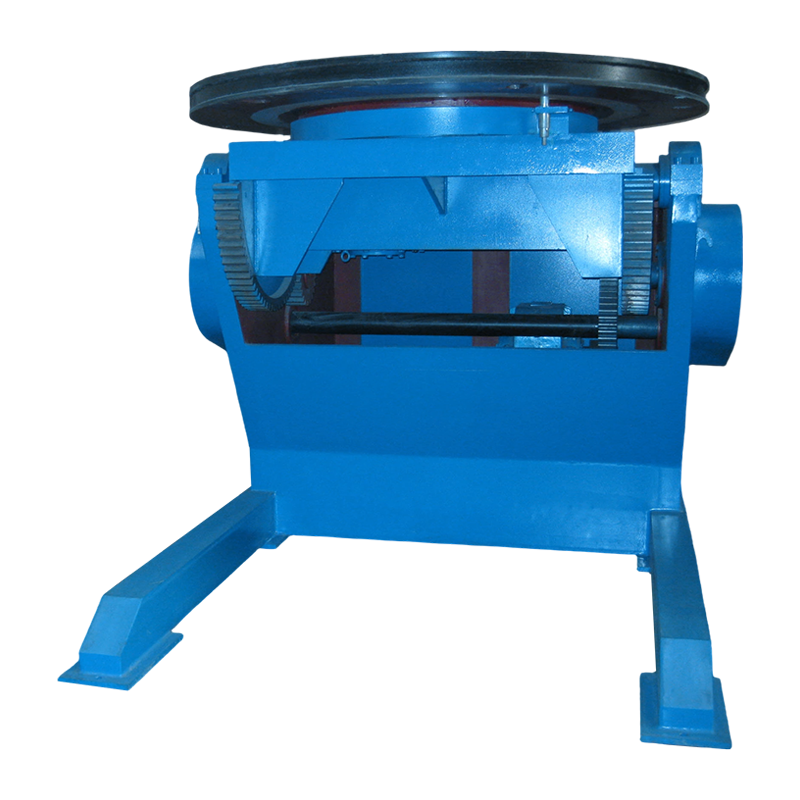
The 20T Conventional Welding Positioner is a heavy-duty machine designed specifically for handling large, heavy workpieces. It provides stability, con...
See Details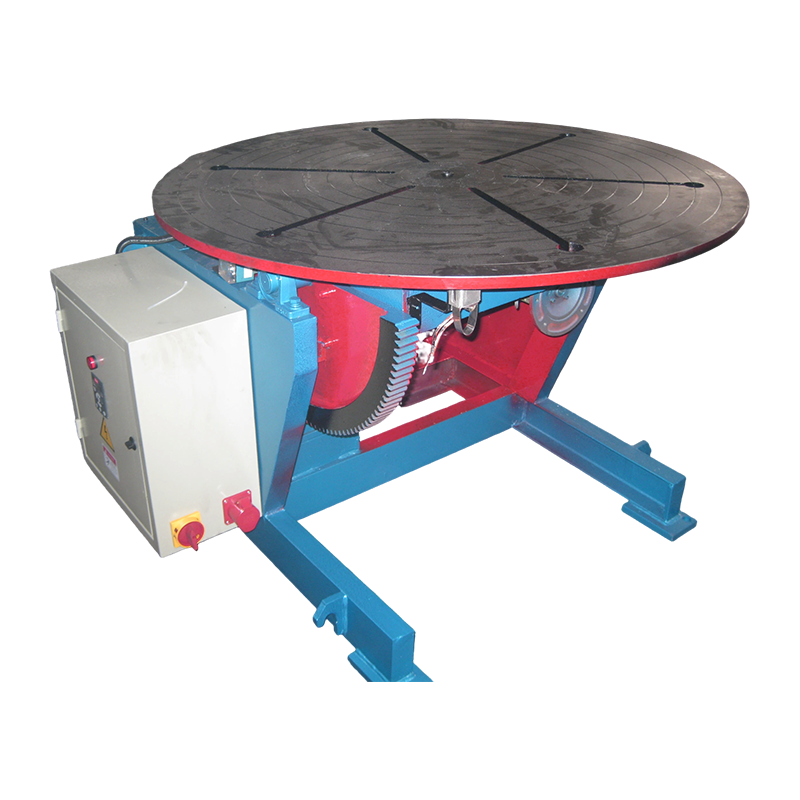
The 2T Conventional Welding Positioner is a device specifically designed for the positioning and rotation of workpieces in welding operations. Its cor...
See DetailsCopyright 2025 Wuxi WeldNice Heavy Industry Technology Co., Ltd. All Rights Reserved



sales@weldnicefactory.com