 English
 русский
 Español
 عربى
Yes—stainless steel can be welded successfully, and most fabrication shops already have the equipment to do it. The material is not fragile or “unweldable”; it simply punishes poor preparation more than mild steel does. Stainless steel is a steel alloy with at least 10.5% chromium, which forms a passive oxide layer that resists corrosion. That layer is also why heat, contamination, and filler choice matter so much: a sound weld must preserve corrosion resistance, not just join two pieces.
The practical answer is that weldability depends on the grade, the process, and the service environment. Austenitic grades such as 304L and 316L are common in tanks, pipe, food equipment, and architectural work. Ferritic, martensitic, and duplex grades behave differently, so the procedure should match the actual base metal rather than a generic “stainless” label.
Which Welding Processes Work for Stainless Steel?
TIG, MIG, and stick welding all work on stainless steel; the right choice depends on thickness, finish, and production volume. TIG gives the cleanest control on thin sheet and pipe roots, MIG is faster for production work, and stick remains useful for field repair and heavier sections.
| Process | Typical stainless work | Practical thickness range | Shop note |
|---|---|---|---|
| TIG / GTAW | Thin sheet, pipe roots, sanitary tubing, precision assemblies | About 0.5–6 mm | Cleanest arc control; slower travel speed |
| MIG / GMAW | Production welding, frames, tanks, thicker sheet | About 1–12 mm | Fast deposition; needs the correct stainless wire and gas mix |
| Stick / SMAW | Repair work, field fabrication, heavier plate | About 2–12 mm | More slag cleaning; less suitable for thin cosmetic work |
| SAW | Heavy plate and long straight seams | Usually 8 mm and above | High deposition; not a thin-sheet process |
Resistance welding and laser welding are also used for stainless in specific production settings, but they require equipment and procedures built around the material. For general fabrication, TIG and MIG cover most stainless work.
Filler Metal and Shielding Gas: Match the Base Metal
Use a filler that matches the base metal’s corrosion class, not whatever is already in the feeder. A 304L part should normally use ER308L filler, while 316L work calls for ER316L. Using mild steel wire may produce a weld that looks acceptable at first, but the deposit will rust and may fail in corrosive service.
| Base metal or joint | Typical filler | Reason |
|---|---|---|
| 304 / 304L | ER308L | Matches the general corrosion resistance and low-carbon intent |
| 316 / 316L | ER316L | Provides molybdenum for chloride-bearing service |
| 304 stainless to mild steel | ER309L | High-alloy filler helps tolerate dilution from the carbon steel side |
| Duplex stainless | ER2209 or matched duplex filler | Supports the balanced ferrite-austenite microstructure |
Shielding gas also affects color, penetration, and corrosion resistance. TIG usually uses argon. MIG often uses an argon-rich mix with a small amount of oxygen or a tri-mix, depending on the procedure. CO2-heavy mixes can increase carbon pickup and reduce corrosion resistance in some austenitic welds, so confirm the gas specification before production.
Heat Input, Distortion, and Corrosion Resistance
Keep heat input low and interpass temperature under about 150°C (302°F) for austenitic stainless; uncontrolled heat is the most common reason a sound-looking weld fails in service. Stainless expands and conducts heat differently from mild steel, so excessive heat can cause warping, heat tint, and loss of corrosion resistance.
In the range of roughly 425–850°C, standard 304 and 316 can form chromium carbides at grain boundaries. That reduces the chromium available to protect the surface, a condition often called sensitization. Low-carbon “L” grades and stabilized grades reduce the risk, but they do not excuse poor heat control. Use stringer beads, skip welding, backstep sequences, copper backing, and well-fitted fixtures to limit distortion.
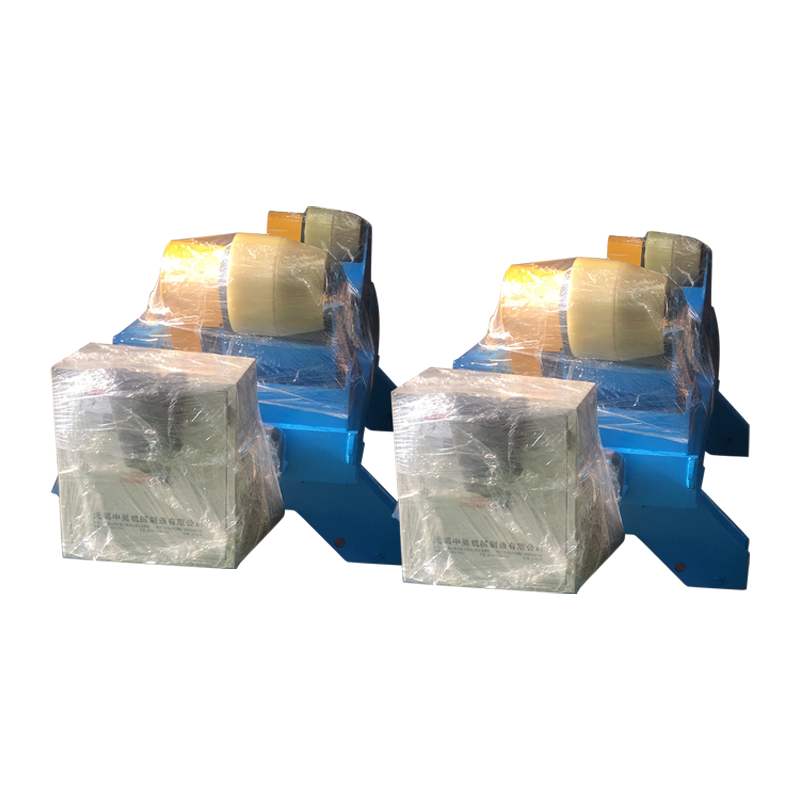
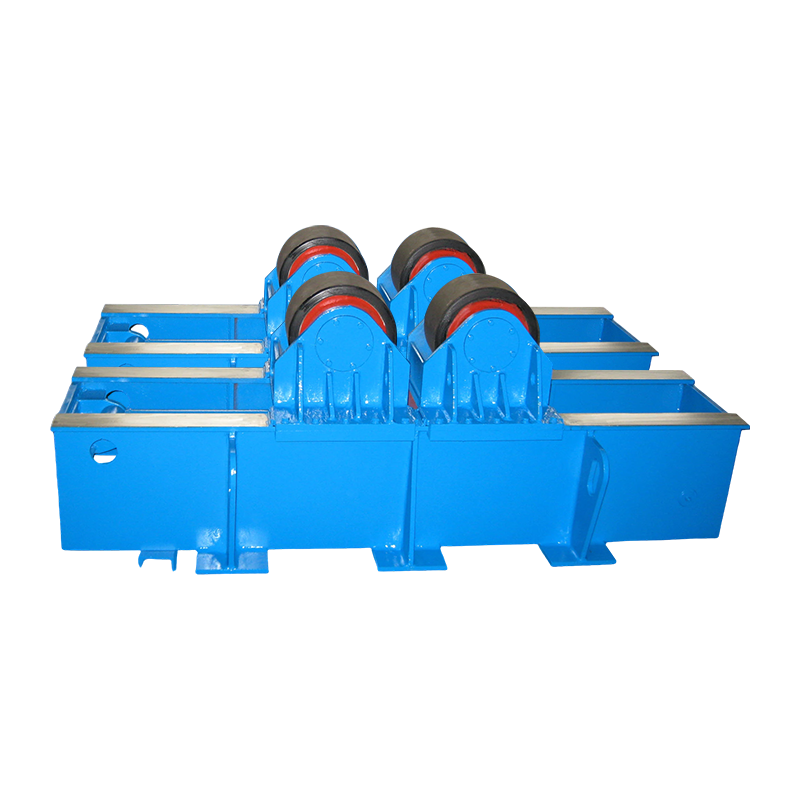
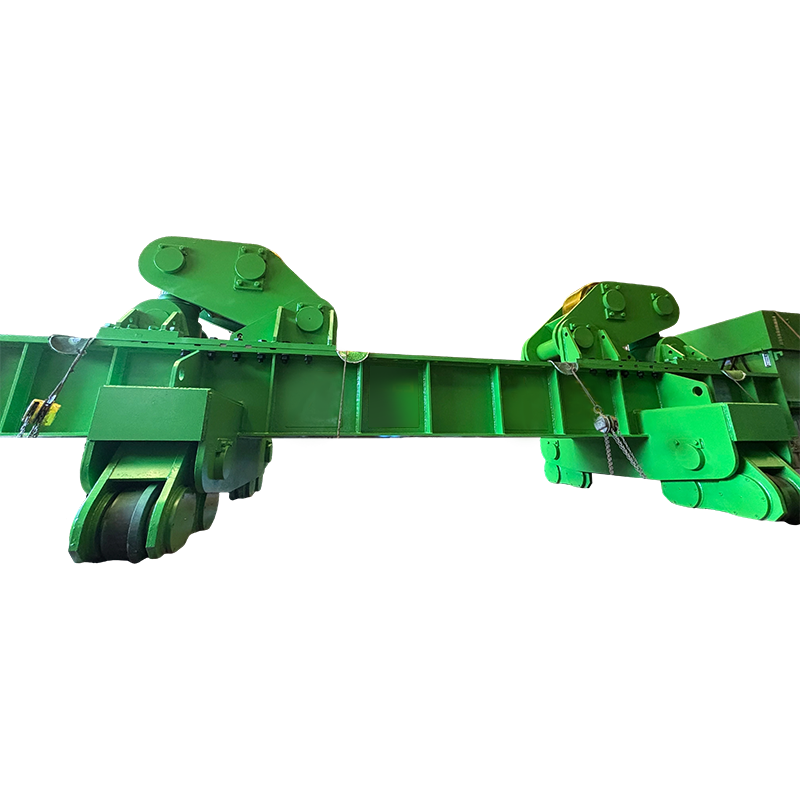
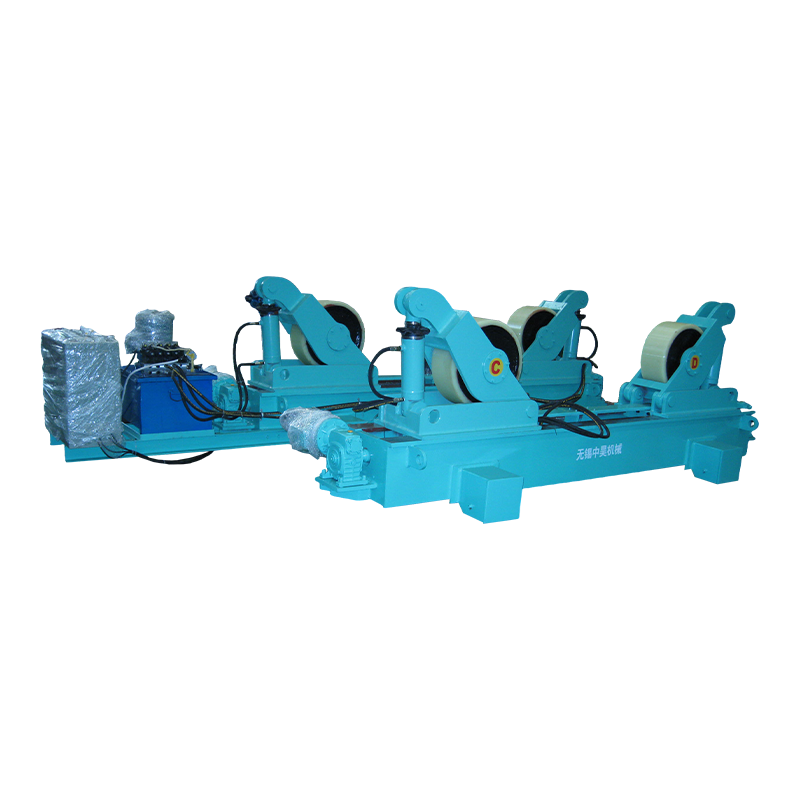
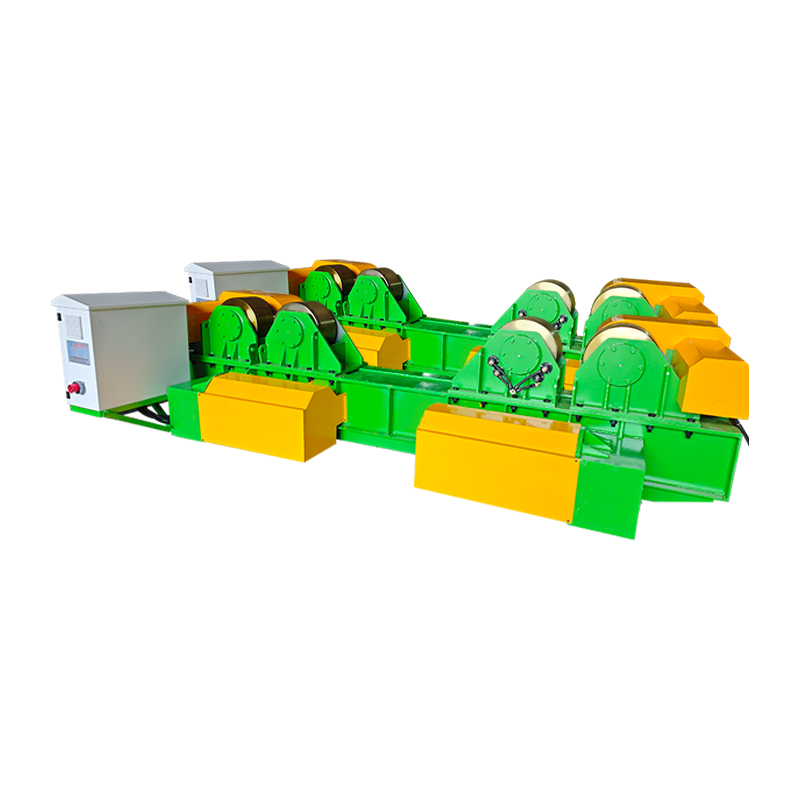
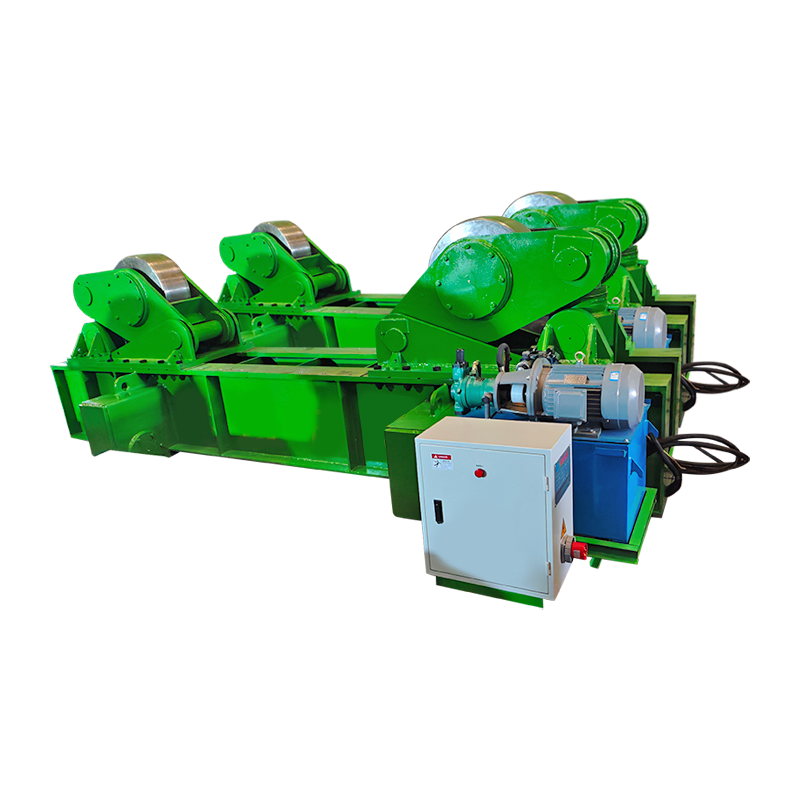
For pipe and tank shells, a welding rotator keeps the part turning at a steady speed so the arc stays in the flat or horizontal position. That consistency matters on stainless because travel-speed changes show up as heat-input changes. For a closer look at the application, see welding rotators in tank and pipe work.
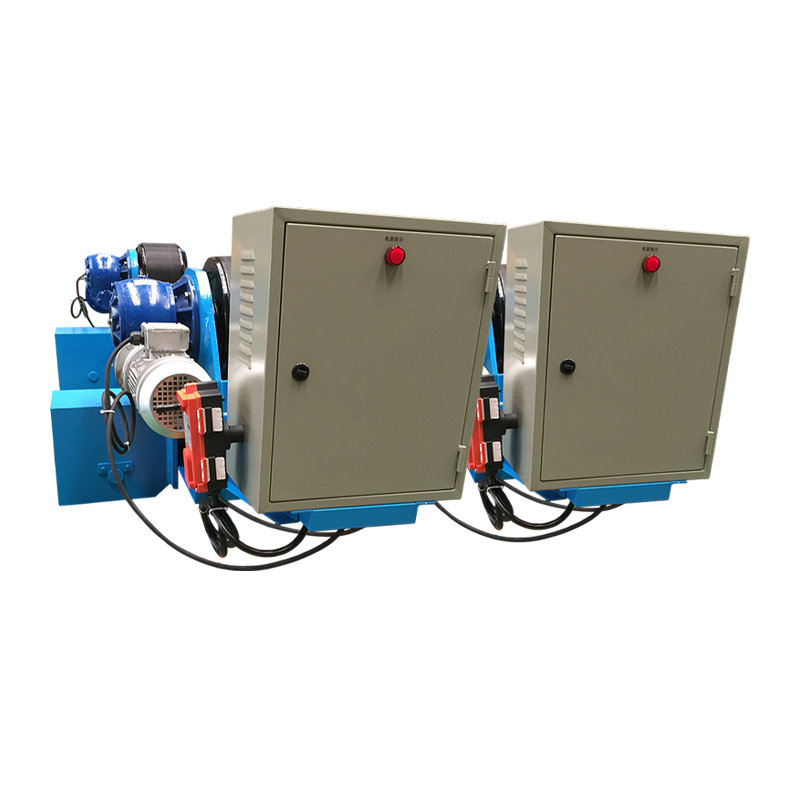 10T Adjustable Welding Rotator with Anti-Drift Control10-ton adjustable welding rotator with sensor-based anti-drift control for stable positioning of cylindrical and oblate workpieces during seam welding.View Product →
A rotator with anti-drift control is useful on long seams where the shell tries to walk. The goal is not simply to turn the part, but to hold a repeatable welding position while the operator focuses on arc length, gas coverage, and travel speed.
Preparation and Cleaning Decide Weld Quality
Clean stainless steel immediately before welding; contamination is the leading cause of porosity, discoloration, and corrosion failure. Oil, grease, moisture, paint, marker, adhesive, and carbon steel dust can all damage the weld surface or introduce porosity.
- Use a dedicated stainless wire brush; carbon steel brushes can leave iron particles that rust.
- Wipe the joint and filler wire with acetone or alcohol and allow it to dry.
- Remove mill scale, oxide, and heavy heat tint from the weld zone before welding when the procedure requires it.
- Back-purge pipe and tube with argon when full penetration is needed and the backside will be exposed to corrosive service.
- Keep fit-up tight and uniform; wide gaps force the welder to add more heat and filler.
After welding, clean discoloration and heat tint when the specification calls for it. Pickling and passivation restore the passive layer on many stainless fabrications, especially in food, pharmaceutical, and marine service.
Common Defects and Practical Fixes
Most stainless weld defects come from three causes: contamination, excessive heat, and lost gas coverage. The fix is usually procedural rather than a different machine setting.
| Defect | Likely cause | Practical fix |
|---|---|---|
| Porosity | Oil, moisture, drafts, low gas flow, dirty filler | Clean the joint, check gas flow, shield the arc, use dry filler |
| Warping | Too much heat, uneven sequence, poor fit-up | Fixture the part, use backstep or skip welding, reduce amperage |
| Sensitization | Prolonged time in the 425–850°C range | Lower heat input, control interpass temperature, specify L-grade material |
| Hot cracking | Poor fit-up, high restraint, wrong filler chemistry | Use the specified filler, improve fit-up, reduce restraint where possible |
| Heat tint | Oxygen exposure at temperature | Improve gas coverage, purge the backside, clean and passivate after welding |
When Positioning Equipment Pays Off
Positioning equipment pays off when stainless work is repetitive, heavy, or requires a consistent torch angle. A rotator turns pipe, tank shells, and cylinders at a controlled speed. A positioner tilts the workpiece so the weld sits flat or horizontal, which is easier to control than vertical or overhead welding.
For small stainless assemblies, a servo-controlled positioner gives precise rotation and repeatable indexing. That helps when several parts need the same weld sequence and the operator must maintain a stable torch angle. For an overview, see welding positioners and fabrication efficiency.
 300KG Welding Positioner with Servo Controlsales@weldnicefactory.comView Product →
For long longitudinal seams on stainless vessels, a TIG column and boom holds the torch while the workpiece or carriage moves at a controlled rate. This is especially useful when the procedure calls for consistent arc length and limited operator movement.
 TIG Column and Boom Welding SupportTIG column and boom for precise torch positioning, travel and oscillation on thin-walled and precision components, including stainless vessel seams.View Product →
Frequently Asked Questions
Can you weld stainless steel with a MIG welder?
Yes, a MIG welder can weld stainless steel when it is fitted with stainless filler wire and an appropriate argon-rich shielding gas. Mild steel wire and a CO2-heavy gas mix will not give the same corrosion resistance, even if the weld looks acceptable.
Can you weld stainless steel to mild steel?
Yes, stainless steel can be welded to mild steel, commonly with ER309L filler and controlled dilution. The joint is practical for structural or non-critical applications, but it may not match the corrosion performance of a fully stainless weld.
Does stainless steel need preheat?
Most austenitic stainless grades do not need preheat and generally should not be overheated. Ferritic and martensitic grades may require preheat or post-weld heat treatment depending on the grade and procedure, so follow the qualified welding procedure rather than a general rule.
Why does my stainless weld rust?
A stainless weld rusts when the passive layer is damaged or the deposit is contaminated. Common causes include carbon steel brushes, mild steel filler, poor gas coverage, heavy heat tint, moisture, and failure to clean or passivate the finished weld.
In practice, successful stainless welding comes down to a small set of controls: match the filler, keep heat within the procedure, clean the joint, protect the weld with the right gas, and use positioning equipment when it improves consistency. The material is weldable—but it rewards disciplined shop practice.