 English
 русский
 Español
 عربى
عربى20T Adjustable Welding Rotator-Heightened
The 20T Adjustable Welding Rotator-Heightened is an industrial device specifically designed for adjusting the position of heavy-duty welded parts. Its...
See Details
Robot welding processes use programmable robotic arms equipped with welding tools to join metal components automatically, delivering faster cycle times, more consistent weld quality, and lower long-term labor costs than manual welding. From automotive assembly lines to aerospace fabrication, robotic welding has become the backbone of modern manufacturing. This guide explains how each major process works, which industries benefit most, and how to choose the right system for your operation.
A robotic welding system consists of a robotic arm, a welding power source, a wire feeder or electrode delivery system, and a controller that executes pre-programmed welding paths with millimeter-level precision. The robot follows a defined trajectory across the workpiece, applying heat and filler material according to exact parameters — arc voltage, wire feed speed, travel speed, and shielding gas flow — that are set during the programming phase.
Modern robot welding systems integrate several key components:
The six most widely used robot welding processes are MIG/GMAW, TIG/GTAW, spot welding, laser welding, plasma welding, and friction stir welding — each suited to different materials, joint types, and production volumes.
Robotic MIG welding is the most widely adopted robot welding process globally, accounting for an estimated 50–60% of all industrial robotic welding applications. In Gas Metal Arc Welding (GMAW), a continuously fed wire electrode melts into the weld pool while a shielding gas — typically a mix of argon and CO₂ — protects the molten metal from atmospheric contamination.
Robotic TIG welding produces the highest weld quality and aesthetic finish of any arc process, making it essential for precision applications in aerospace and medical device manufacturing. Gas Tungsten Arc Welding (GTAW) uses a non-consumable tungsten electrode to generate the arc, with filler wire added separately if required.
Robotic spot welding is the dominant process in automotive body-in-white manufacturing, with a single vehicle body requiring between 3,000 and 5,000 individual spot welds. Resistance Spot Welding (RSW) clamps two overlapping metal sheets between copper electrodes and passes a high-amperage electrical current through the material, generating localized heat that fuses the sheets at discrete points.
Robotic laser welding delivers the fastest travel speeds and smallest heat-affected zones of any fusion welding process, with travel speeds up to 10 meters per minute in thin-sheet applications. A focused laser beam — typically from a fiber laser source of 1–20 kW — melts the base metal with extreme precision, requiring no contact with the workpiece.
Robotic plasma welding bridges the gap between TIG and laser welding, offering deeper penetration than TIG at faster speeds while remaining more affordable than laser systems. A constricted plasma arc reaches temperatures exceeding 20,000°C, enabling keyhole welding through thicker sections in a single pass.
Robotic friction stir welding is a solid-state process that joins metals below their melting point, making it the preferred method for welding aluminum alloys that are difficult to fuse with conventional arc processes. A rotating tool pin is plunged into the joint line and traversed along the seam, generating frictional heat that plasticizes — but does not melt — the base material.
Choosing the right robot welding process requires matching the process characteristics to your material type, joint configuration, quality requirements, and production volume.
| Process | Materials | Speed | Weld Quality | Setup Cost | Best Application |
| MIG/GMAW | Steel, Al, SS | High | Good | Low–Medium | General fabrication |
| TIG/GTAW | All metals | Low–Medium | Excellent | Medium | Aerospace, medical |
| Spot Welding | Sheet metal | Very High | Good | Medium | Automotive bodies |
| Laser | All metals | Very High | Excellent | High | EV batteries, electronics |
| Plasma | Steel, Ti, SS | Medium–High | Very Good | Medium–High | Pipe, pressure vessels |
| Friction Stir | Aluminum, Cu | Medium | Excellent | High | Aerospace, EV trays |
Table 1: Comparison of major robot welding processes by material compatibility, speed, quality, and cost.
Robotic welding consistently outperforms manual welding in throughput, repeatability, and total cost of ownership — particularly in high-volume production environments where consistency is critical.
A robotic MIG welder typically operates at 50–80% arc-on time compared to 20–30% for a skilled manual welder, effectively tripling net welding output per shift. Robots don't take breaks, fatigue, or slow down toward the end of a shift. In a three-shift automotive plant, a single robotic cell can produce what would require 6–9 manual welders to match.
Robotic welding systems maintain weld parameter tolerances within ±1–2% across thousands of consecutive welds, a level of consistency no human welder can sustain over an entire production shift. This translates directly into fewer defects, lower scrap rates, and reduced rework costs. Many manufacturers report defect rate reductions of 30–50% after transitioning from manual to robotic welding.
Removing workers from direct arc exposure reduces incidence of welding fume inhalation, UV arc flash eye injury, and burns — some of the most common occupational injuries in manufacturing. The International Labour Organization estimates that welding-related occupational diseases affect hundreds of thousands of workers globally each year. Robotic welding cells, equipped with fume extraction and safety fencing, dramatically reduce these risks.
While robotic welding cells require a significant initial investment — typically $80,000–$250,000 per cell depending on the process and peripherals — payback periods of 12–36 months are common in high-volume applications. When labor, consumables, scrap, and rework are factored in, robotic welding typically reduces per-part welding cost by 25–45% over a 5-year horizon.
| Factor | Robotic Welding | Manual Welding |
| Arc-On Time | 50–80% | 20–30% |
| Weld Repeatability | ±0.1–0.5mm | ±1–3mm |
| Defect Rate | Very Low (0.1–1%) | Low–Medium (2–8%) |
| Setup / Changeover | Hours (reprogramming) | Minutes |
| Initial Investment | $80,000–$250,000+ | $5,000–$30,000 |
| Long-Term Cost | Lower | Higher (labor-intensive) |
| Flexibility | Medium (programmable) | High (adaptive) |
| Worker Safety Risk | Low | Medium–High |
| Best Volume | High (1,000+ parts/run) | Low–Medium (1–500 parts) |
Table 2: Robotic welding versus manual welding across key performance, cost, and flexibility metrics.
Virtually every major manufacturing sector now uses robot welding processes, but automotive, aerospace, construction equipment, and consumer electronics represent the highest concentrations of robotic welding deployment.
The automotive industry is the single largest user of robot welding, with an estimated 30–40% of all industrial robots deployed globally performing welding tasks in vehicle production. Body-in-white lines use hundreds of robotic spot welding cells to assemble door panels, floor pans, roof rails, and pillars. Exhaust systems, fuel tanks, and chassis components are typically joined by robotic MIG or laser welding.
Aerospace applications demand the highest weld quality standards, making robotic TIG, plasma, and friction stir welding the dominant processes for structural airframe components. Robotic FSW is used to join aluminum fuselage panels and wing skins, while robotic TIG handles titanium engine components and hydraulic line assemblies.
Excavator arms, loader buckets, crane booms, and structural steel frames are commonly fabricated using robotic MIG welding due to the thick plate materials involved and the high volumes required. Robotic welding in this sector reduces the physical strain on welders working with heavy components and improves consistency on long structural welds that are difficult to execute manually.
The rapid growth of electric vehicles has made robotic laser welding indispensable for battery cell tab welding, module assembly, and battery tray fabrication. EV battery packs can contain thousands of individual laser welds, all of which must meet strict leak and conductivity standards — an impossible target for manual processes at scale.
Selecting the correct robot welding process requires evaluating five key factors: base material type and thickness, joint design, required weld quality standard, annual production volume, and available capital budget.
The next generation of robot welding processes is being shaped by artificial intelligence, collaborative robotics, and real-time adaptive control systems that make automation accessible to smaller manufacturers.
Robotic MIG welding (GMAW) is the most commonly used robot welding process, representing the majority of all industrial robotic welding globally. Its combination of speed, material versatility, low consumable cost, and ease of programming makes it the default choice for most new robotic welding installations in general fabrication and automotive manufacturing.
Programming time for a robotic welding cell ranges from a few hours for simple parts with short weld paths to several weeks for complex multi-pass assemblies with dozens of weld joints. Offline programming software can reduce on-robot programming time by 50–70% by allowing engineers to simulate and refine weld paths on a digital model before deployment.
The primary limitations of robot welding are high initial capital cost, reduced flexibility for low-volume or highly varied part production, and the need for consistent part fit-up quality. Robots excel at repetitive tasks on consistent parts but struggle with the adaptive decision-making that experienced human welders apply when dealing with irregular gaps, distorted fixtures, or unusual joint configurations. Seam tracking and AI systems are progressively closing this gap.
Yes — collaborative robot welding systems and offline programming software have made robotic welding economically viable for batch sizes as small as 25–50 parts. Cobot welding systems with teach-pendant or tablet programming interfaces allow operators without traditional robot programming skills to set up new jobs in under an hour, making them practical for job shops and custom fabricators.
Robotic welding systems must still produce welds that meet the same AWS, ASME, ISO, or customer-specific standards required of manual welding — the robot does not automatically certify the weld. However, the consistency and data-logging capabilities of robotic systems make it significantly easier to demonstrate process control during quality audits and weld procedure qualification testing.
Robotic welding systems require regular maintenance of the welding torch consumables (contact tips, nozzles, liners), periodic lubrication and inspection of robot arm joints, and calibration of TCP (Tool Center Point) to maintain positional accuracy. Most systems have planned maintenance intervals of 500–1,000 operating hours. Proper preventive maintenance programs can extend robot arm service life to 10–15 years.
Robotic welding is changing — rather than eliminating — the role of the human welder, shifting demand toward higher-skill positions such as robot programmers, weld engineers, and automation technicians. Many manufacturers report that robotic welding has allowed them to redeploy experienced welders to complex, custom, or repair work that robots cannot yet handle effectively. In markets facing skilled welder shortages, robotic welding is increasingly a necessity rather than a preference.
Robot welding processes have fundamentally transformed manufacturing quality, speed, and economics across virtually every metal-intensive industry. Whether you're evaluating MIG welding for a structural steel fabricator, laser welding for an EV battery manufacturer, or TIG welding for an aerospace supplier, the core principle remains the same: matching the process to the application delivers the best weld quality at the lowest per-part cost.
As AI-driven seam tracking, collaborative robots, and offline programming tools lower the barriers to entry, robotic welding is no longer the exclusive domain of large automotive manufacturers. For any operation producing more than a few hundred parts per year on repeatable geometries, investing in the right robot welding process is one of the highest-return decisions available in modern manufacturing.
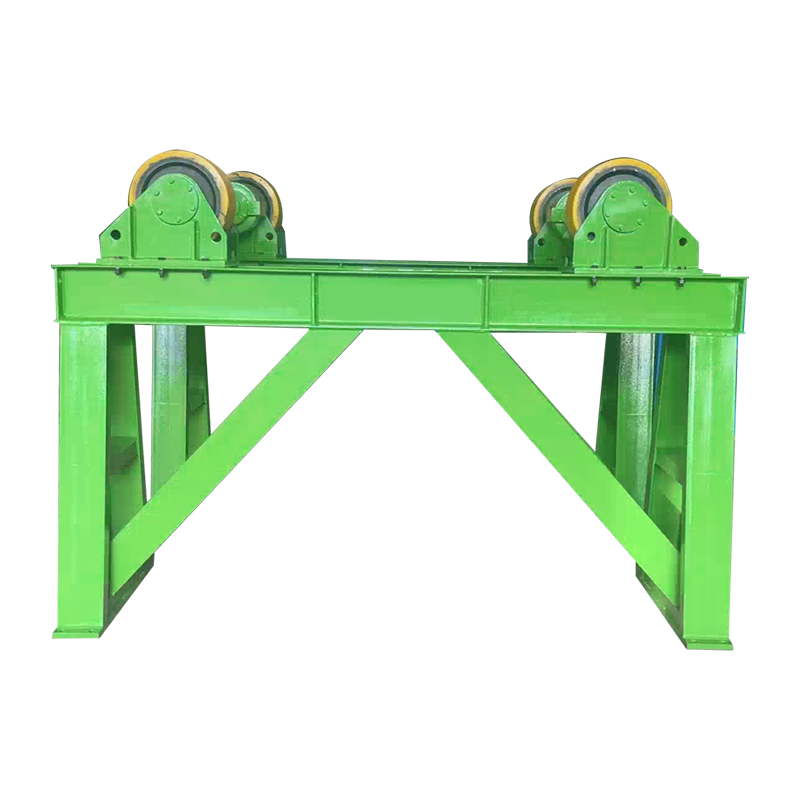
The 20T Adjustable Welding Rotator-Heightened is an industrial device specifically designed for adjusting the position of heavy-duty welded parts. Its...
See Details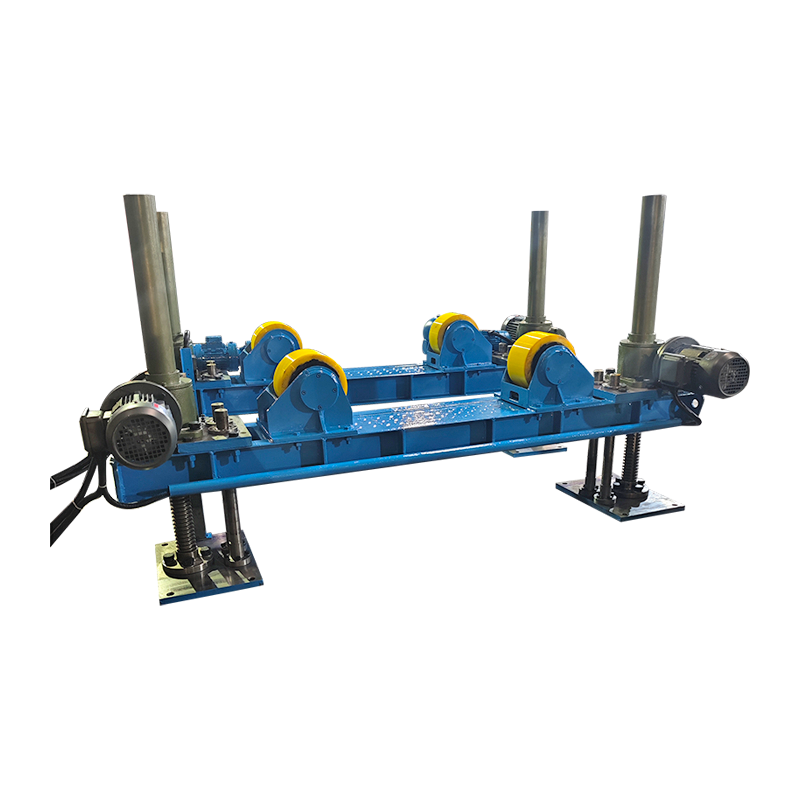
The 2T Adjustable Welding Rotator with Additional Electric Lifting is a welding auxiliary device specifically designed for cylindrical workpieces (suc...
See Details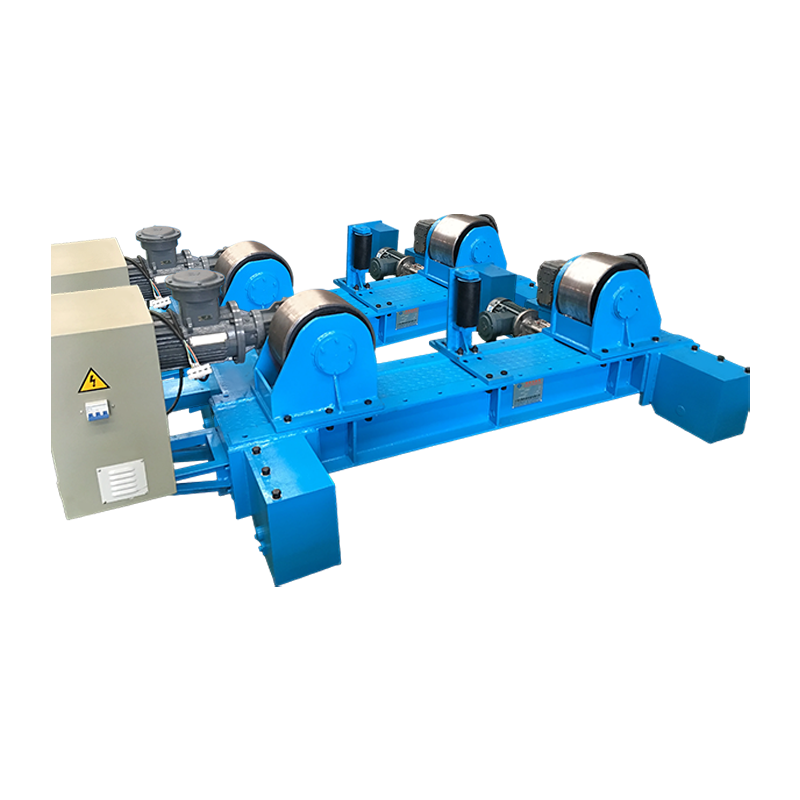
This product is a 10t adjustable welding rotator with anti-drift, with load capacity of 10 tons, and is suitable for welding of various types of rotar...
See Details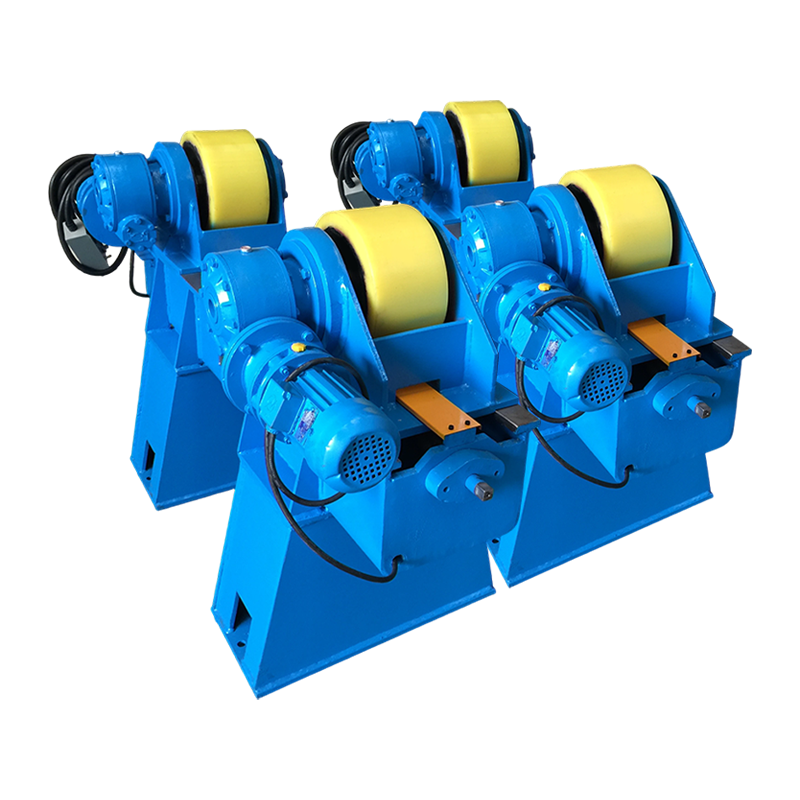
This product is 10t screw-adjustable welding rotator-heightened, suitable for welding workpieces within 10 tons. The equipment adopts a screw adjustme...
See Details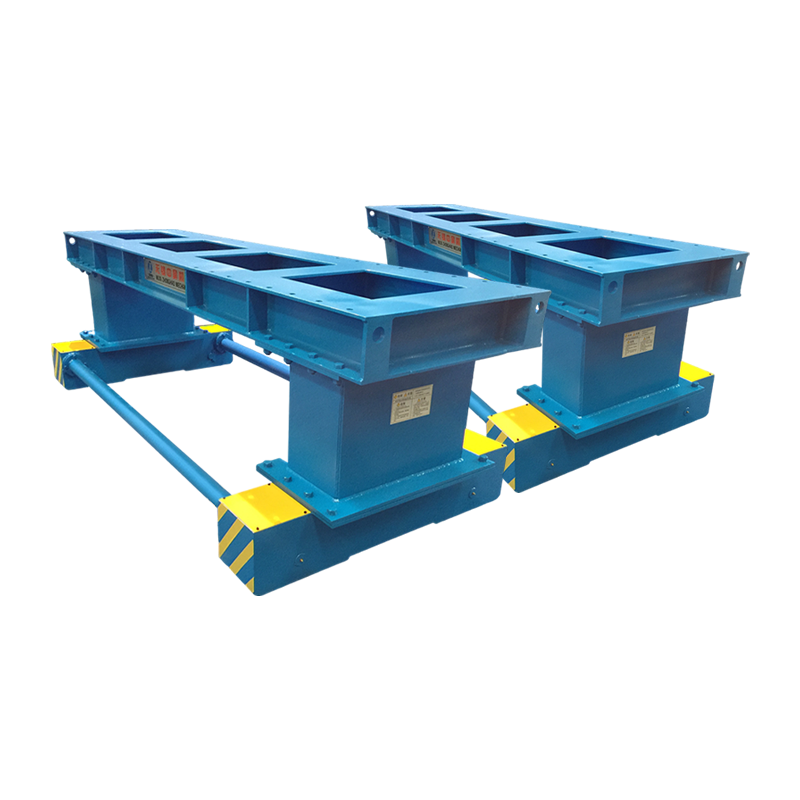
The 100T Adjustable Welding Rotator-Heightened is an industrial equipment specifically designed for welding and assembling ultra-heavy-duty cylindrica...
See Details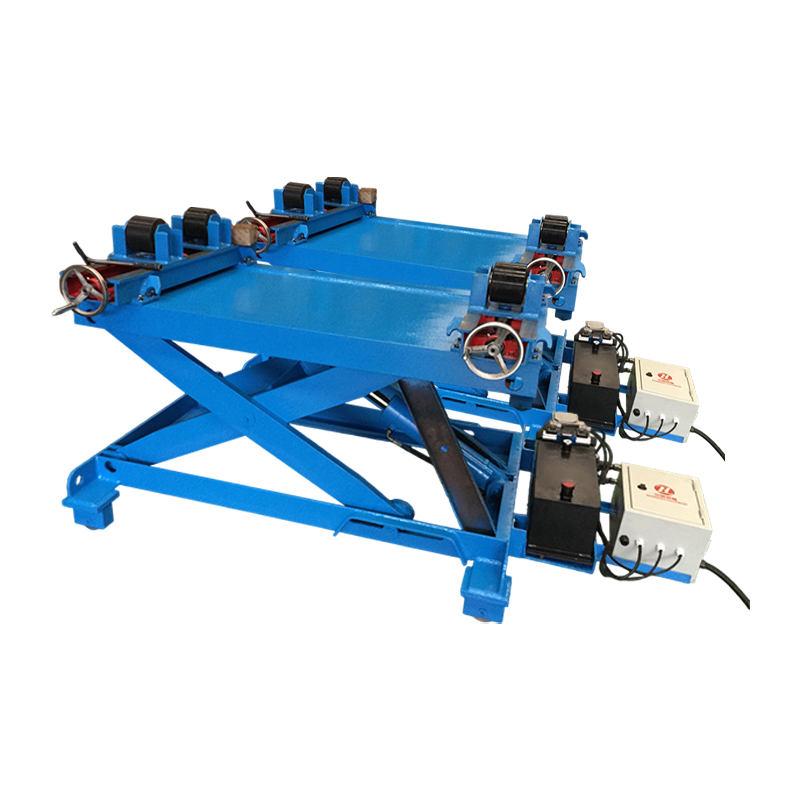
The 1T Lead Screw-Adjustable Welding Rotator with Additional Lifting Function is a welding auxiliary device integrating rotation, lifting, and positio...
See DetailsContent
Copyright 2025 Wuxi WeldNice Heavy Industry Technology Co., Ltd. All Rights Reserved Custom Automatic Welding Equipment Manufacturers



sales@weldnicefactory.com