 English
 русский
 Español
 عربى
عربى1000T Fit Up Welding Rotator with Manual Orbital Movement
1000T Fit Up Welding Rotator with Manual Orbital Movement has a rated load of 1,000 tons and is specially used for assembling and welding ultra-large ...
See Details
A Pipe Welding Rotator Machine is a specialized mechanical device designed to rotate cylindrical workpieces, such as pipes, tubes, and tanks, at a controlled speed during the welding process. By automating the rotation, the machine allows a welder to remain in a stationary, ergonomic position while the joint moves consistently under the torch. This technology eliminates the inconsistencies of manual rotation, significantly boosting weld quality, worker safety, and overall production throughput in heavy industries like oil and gas, shipbuilding, and power generation.
At its core, a Pipe Welding Rotator Machine consists of two primary components: a motorized drive unit and an idler unit. The pipe rests on polyurethane or metallic rollers, and as the drive unit rotates, friction moves the workpiece. This simple yet profound mechanical intervention addresses the most significant challenge in pipe welding: maintaining a continuous, high-quality bead around a circular circumference.
Before the widespread adoption of the Pipe Welding Rotator Machine, welders had to manually reposition pipes using cranes or "walk" the pipe themselves. This led to frequent stops and starts, which are the primary cause of weld defects like porosity and slag inclusion.
In a manual setup, the welder must constantly change their angle. With a Pipe Welding Rotator Machine, the welding torch stays in the "downhand" (1G/flat) position. This is the most favorable position for molten metal flow, ensuring a uniform penetration and a visually perfect bead.
Lifting and turning heavy steel pipes is inherently dangerous. Using a Pipe Welding Rotator Machine minimizes the need for overhead cranes during the actual welding phase. Furthermore, it reduces welder fatigue, as the operator does not need to crawl under or over the pipe to reach the bottom seams.
| Feature | Manual Welding | Pipe Welding Rotator Machine |
| Welding Position | Variable (Vertical, Overhead) | Constant Flat/Downhand (1G) |
| Production Speed | Slow (Frequent Stops) | Fast (Continuous Rotation) |
| Defect Rate | Higher due to restarts | Significantly Lower |
| Labor Intensity | High (Physical handling) | Low (Machine-driven) |
Not all pipes are the same, and neither are rotators. To optimize industrial workflows, various designs have been developed to handle different diameters and weights.
The Self-Aligning Pipe Welding Rotator Machine features wheel brackets that automatically adjust to different pipe diameters. This is ideal for shops that handle varying sizes throughout the day, as it eliminates the downtime required for manual adjustments.
A Conventional Pipe Welding Rotator Machine requires manual adjustment of the distance between the rollers. These are typically more robust and are favored for extremely heavy-duty applications where the pipe diameter remains constant for long production runs.
The impact of the Pipe Welding Rotator Machine is felt across numerous sectors:
To ensure your Pipe Welding Rotator Machine delivers a long service life, regular maintenance is essential.
Q: What is the weight capacity of a typical Pipe Welding Rotator Machine?
A: Capacity varies wildly based on the model, ranging from small 1-ton benchtop units to massive 1,000-ton systems used in shipyards.
Q: Can these machines handle thin-walled pipes?
A: Yes, provided you use the correct roller material. Polyurethane rollers are recommended for thin-walled or stainless steel pipes to prevent surface deformation and contamination.
Q: How do I synchronize multiple rotators?
A: Most modern Pipe Welding Rotator Machine systems can be linked via a master control box, ensuring that all drive units rotate at the exact same RPM to prevent twisting of long workpieces.
The Pipe Welding Rotator Machine is no longer a luxury in the modern fabrication shop; it is a necessity. By providing a stable, automated, and safe environment for welding cylindrical objects, these machines have set a new standard for industrial efficiency. As industries push for faster lead times and higher safety standards, the role of the Pipe Welding Rotator Machine will only continue to expand, driving the future of automated manufacturing.
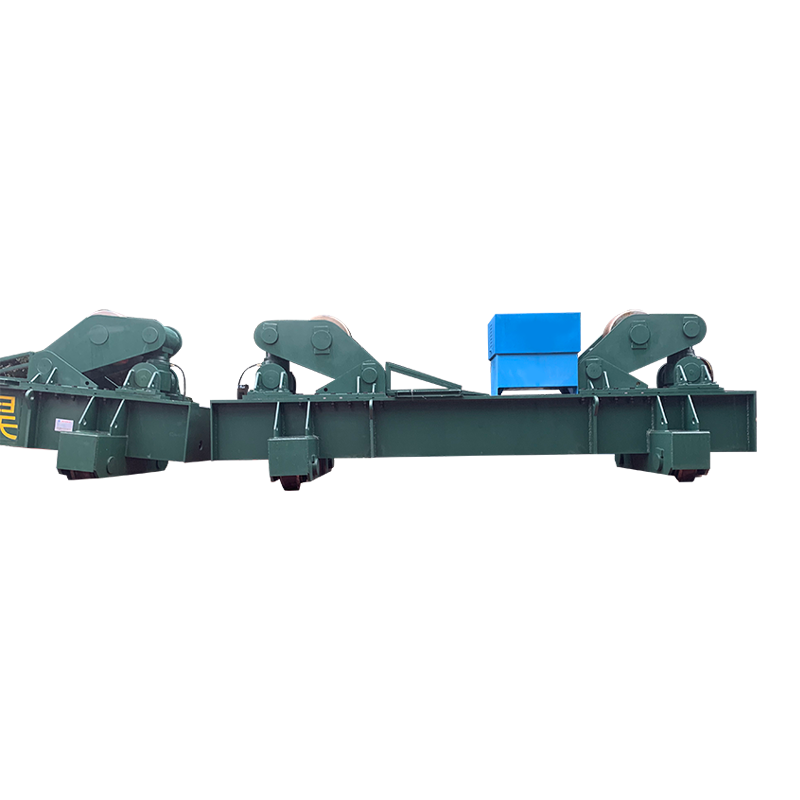
1000T Fit Up Welding Rotator with Manual Orbital Movement has a rated load of 1,000 tons and is specially used for assembling and welding ultra-large ...
See Details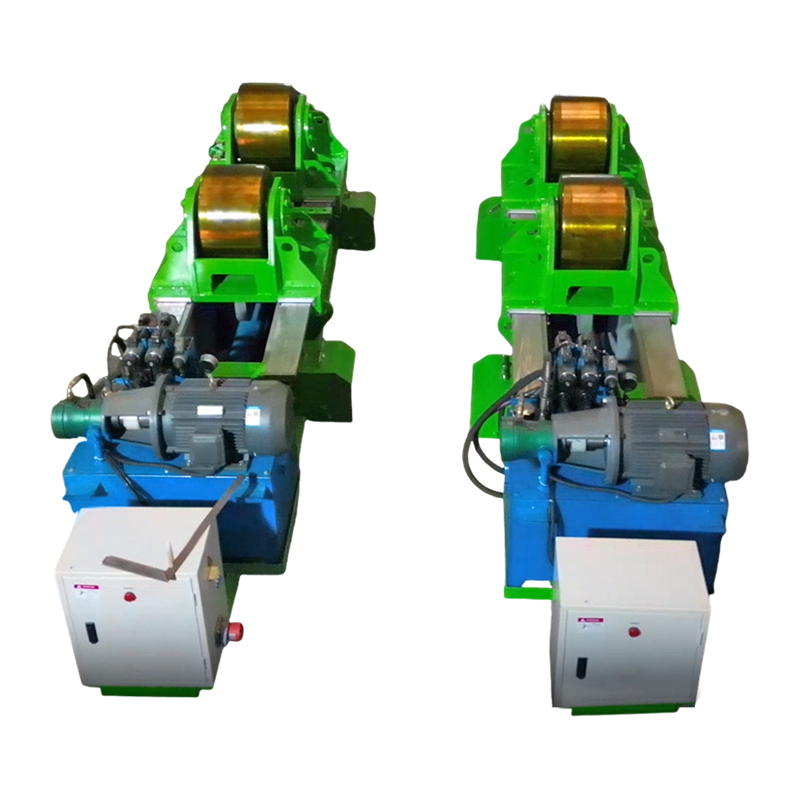
80T Fit Up Welding Rotator with Hydraulic Horizontal Pushing is a special equipment for welding and assembling large cylindrical workpieces. It is sui...
See Details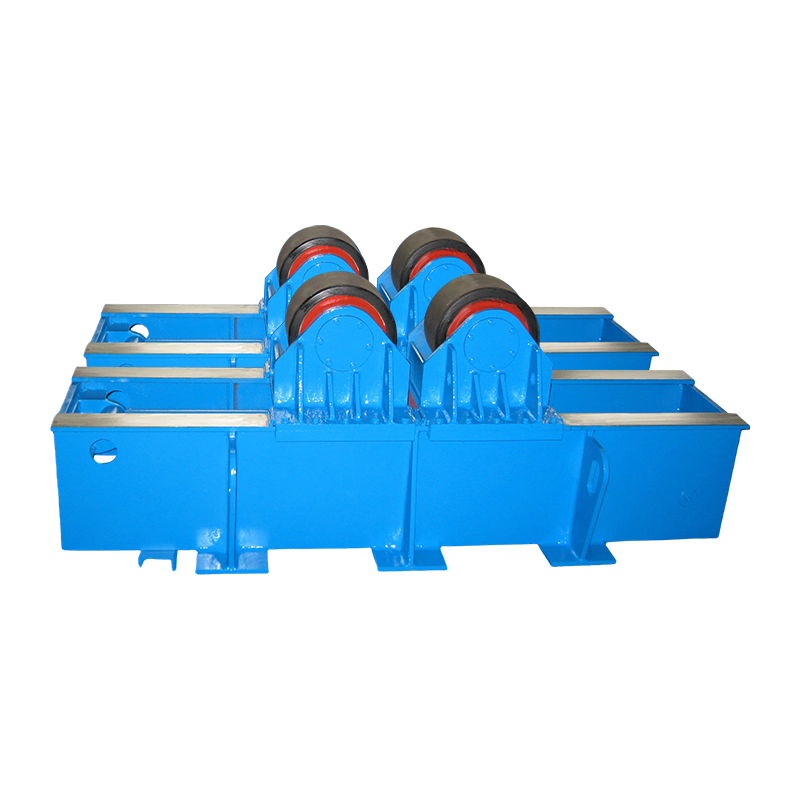
40T Fit Up Welding Rotator with Hydraulic Horizontal Pushing has a rated load of 40 tons and focuses on the assembly and welding of small and medium-s...
See Details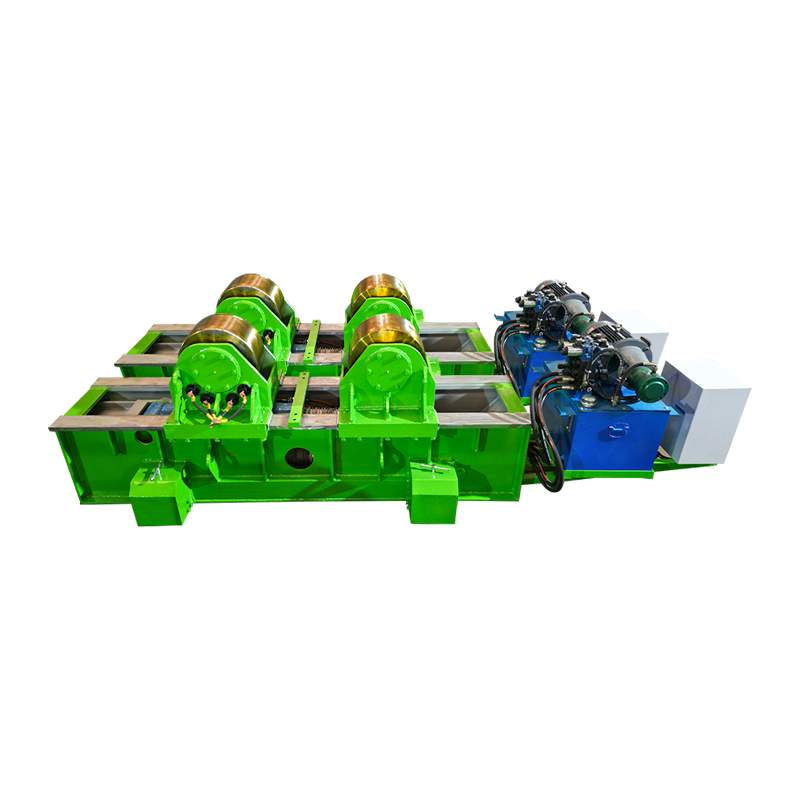
80T Fit Up Welding Rotator with Hydraulic Horizontal Pushing&Manual Orbital Movement has a rated load of 80 tons and is specially designed for but...
See Details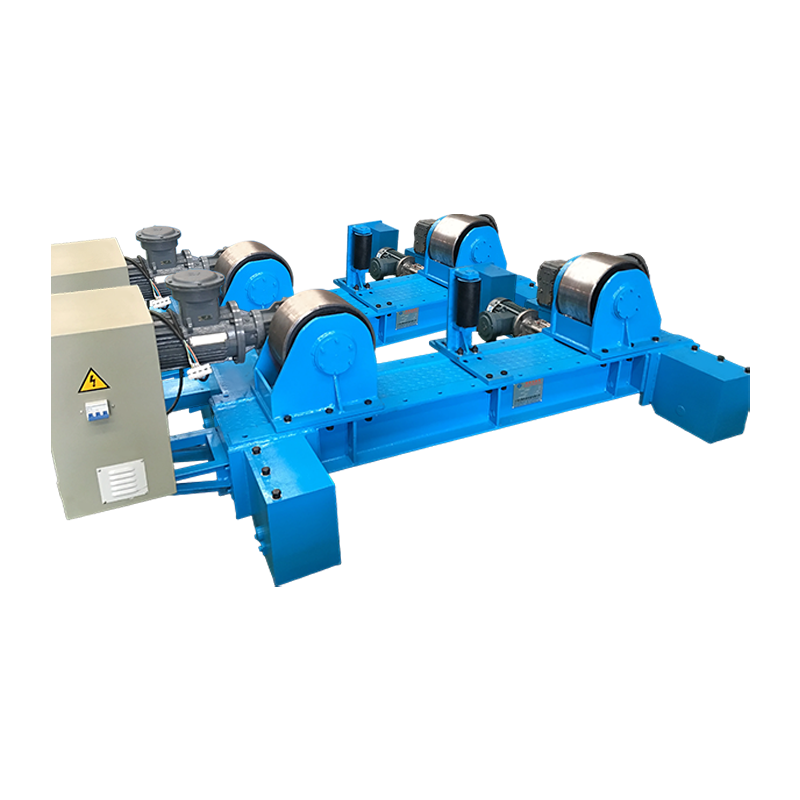
This product is a 10t adjustable welding rotator with anti-drift, with load capacity of 10 tons, and is suitable for welding of various types of rotar...
See Details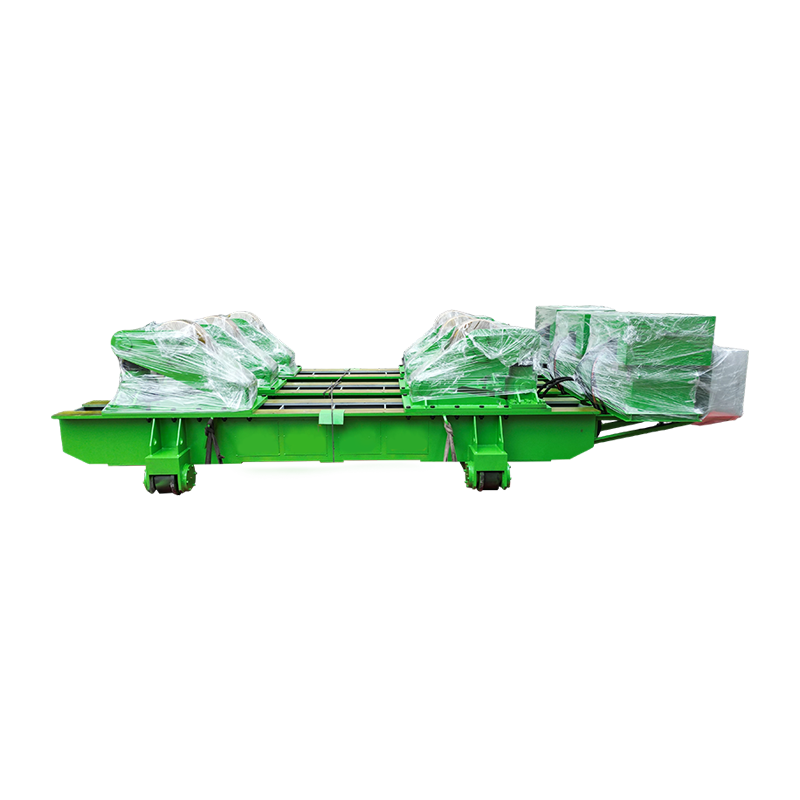
100T Fit Up Welding Rotator with Manual Orbital Movement has a rated load of 100 tons and is specially used for assembly butt welding of medium and la...
See DetailsContent
Copyright 2025 Wuxi WeldNice Heavy Industry Technology Co., Ltd. All Rights Reserved Custom Automatic Welding Equipment Manufacturers



sales@weldnicefactory.com