English
 русский
 Español
 عربى
عربى20T Self-Aligning Airfoil Welding Rotary Machine
The 20T airfoil self-aligning welding rotary machine is widely used in industries such as pressure vessels, chemical equipment, wind turbine towers, p...
See Details
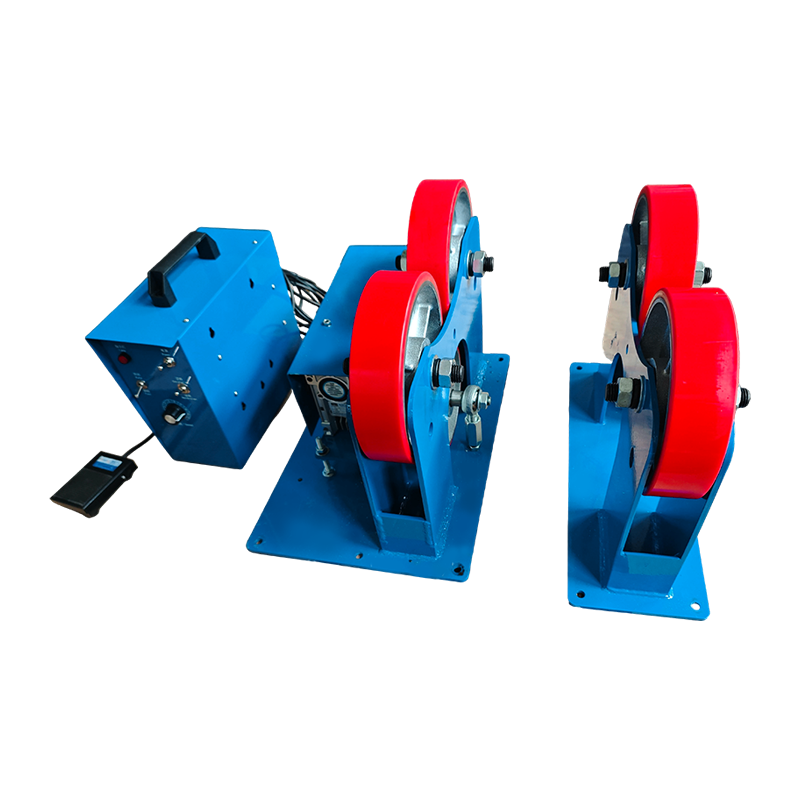
A pipe welding rotator is a specialized mechanical device used to rotate cylindrical workpieces, such as pipes or tanks, at a controlled speed to facilitate continuous and precise welding. By automating the rotation of the pipe, these machines eliminate the need for manual handling, allowing the welder to maintain a stationary position while achieving a high-quality, uniform weld bead around the entire circumference of the joint.
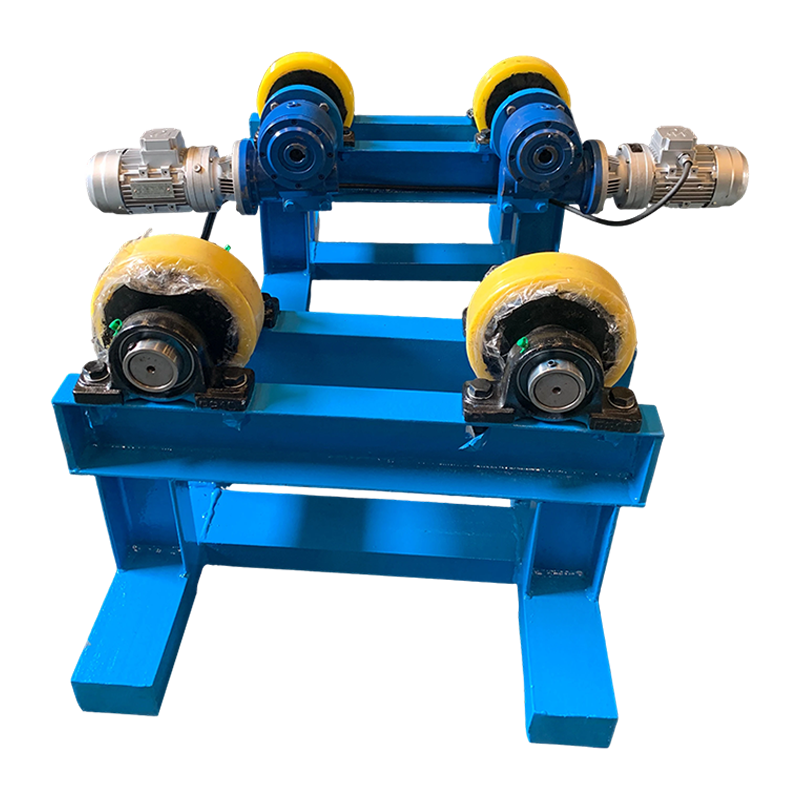
The fundamental operation of a pipe welding rotator involves a motorized drive unit and an idler unit that work together to turn a workpiece via friction between the rollers and the pipe surface. The system is designed to provide a steady, vibration-free movement that is essential for both manual and automated welding processes like TIG, MIG, and Submerged Arc Welding (SAW).
Every standard setup consists of at least one drive unit and one or more idler units. The drive unit contains the motor and gearbox, which supply the torque necessary to spin the heavy pipe. The idler unit acts as a support system, adjusting to the length of the workpiece to ensure it remains level and stable during the rotation cycle.
Precision in welding is achieved through variable frequency drives (VFD), which allow operators to adjust the rotational speed in millimeters or inches per minute. This synchronization is critical because the speed of rotation must match the deposition rate of the welding wire to ensure deep penetration and a flawless finish.
The efficiency of a heavy-duty pipe rotator depends on the synergy of its high-quality components, including the frame, rollers, and control interface. Understanding these parts helps in selecting the right equipment for specific industrial applications like oil and gas, shipbuilding, or power plant construction.
Choosing between a self-aligning welding rotator and a conventional welding rotator depends entirely on the variety of pipe diameters you handle in your facility. While both serve the same ultimate purpose, their mechanical adjustment methods differ significantly.
| Feature | Self-Aligning Rotator | Conventional Rotator |
|---|---|---|
| Adjustment | Automatic adjustment for different diameters. | Manual adjustment using bolts or lead screws. |
| Load Distribution | Four wheels per unit provide better distribution. | Two wheels per unit. |
| Workpiece Range | Best for a wide range of varying diameters. | Ideal for consistent, repetitive pipe sizes. |
| Setup Time | Minimal; "set and forget" design. | Requires downtime for manual repositioning. |
The primary benefit of integrating a welding turning roll into your production line is the massive increase in safety and weld consistency. By removing the physical strain of manual rotation, shops can operate faster and with fewer errors.
Automated rotation ensures a constant surface speed, which is the key to preventing defects like slag inclusion, porosity, or uneven beads. When the pipe moves at a perfect pace, the heat input remains stable, resulting in superior structural integrity.
Handling massive steel pipes manually involves significant risks of crushing injuries or back strain. A pipe rotator machine securely cradles the workpiece, preventing accidental slips and allowing the operator to work from a safe, ergonomic distance.
Labor hours are significantly reduced because the welder does not have to stop to reposition the pipe. This enables continuous welding, which can cut production times by up to 50% compared to traditional manual rotation methods.
Industries that require X-ray quality welds on cylindrical parts rely heavily on rotators to meet strict international standards. From small diameter piping to massive offshore wind tower sections, these machines are versatile assets.
Selecting the correct pipe turning rolls requires an analysis of your maximum load capacity, the material of the pipe, and the required rotation precision. A machine that is undersized for your heaviest load can lead to motor failure or dangerous instability.
Always choose a rotator with a safety margin. If your heaviest pipe is 10 tons, selecting a 15-ton or 20-ton capacity machine ensures longevity of the gears and bearings.
For stainless steel or non-ferrous pipes, use polyurethane rollers to prevent surface contamination. For heavy, thick-walled carbon steel pipes, steel rollers are preferred due to their high durability and heat resistance.
Regular maintenance of your industrial pipe rotator is vital to ensure consistent performance and to prevent costly downtime in the middle of a project.
Q: What is the difference between a welding positioner and a welding rotator?
A: A welding positioner typically tilts and rotates the workpiece around a central axis (often using a chuck), whereas a welding rotator uses wheels to spin long, heavy cylindrical objects horizontally.
Q: Can rotators be used for stainless steel pipes?
A: Yes, but you must use polyurethane-coated rollers to avoid "carbon pick-up," which can lead to corrosion in stainless steel materials.
Q: What causes a pipe to "walk" on a rotator?
A: "Walking" occurs when the rollers are not perfectly aligned or if the pipe itself is not straight. Using self-aligning rotators helps minimize this issue by automatically compensating for slight irregularities.
Q: Do I need a drive and an idler for every job?
A: Generally, yes. A drive unit provides the motion, while the idler unit provides the support. For very long pipes, multiple idler units may be required to prevent sagging.
Investing in a high-quality pipe welding rotator is a strategic move for any fabrication shop looking to improve its bottom line. By providing stable, controlled rotation, these machines transform complex welding tasks into streamlined, safe, and highly profitable operations. Whether you choose a conventional model for its simplicity or a self-aligning model for its versatility, the impact on weld quality and shop efficiency is undeniable.
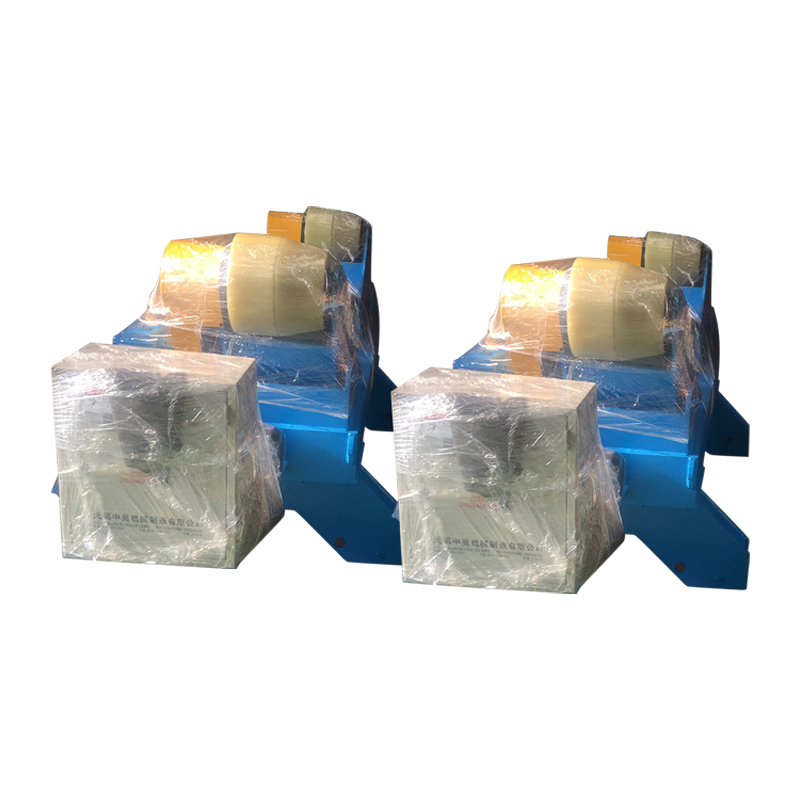
The 20T airfoil self-aligning welding rotary machine is widely used in industries such as pressure vessels, chemical equipment, wind turbine towers, p...
See Details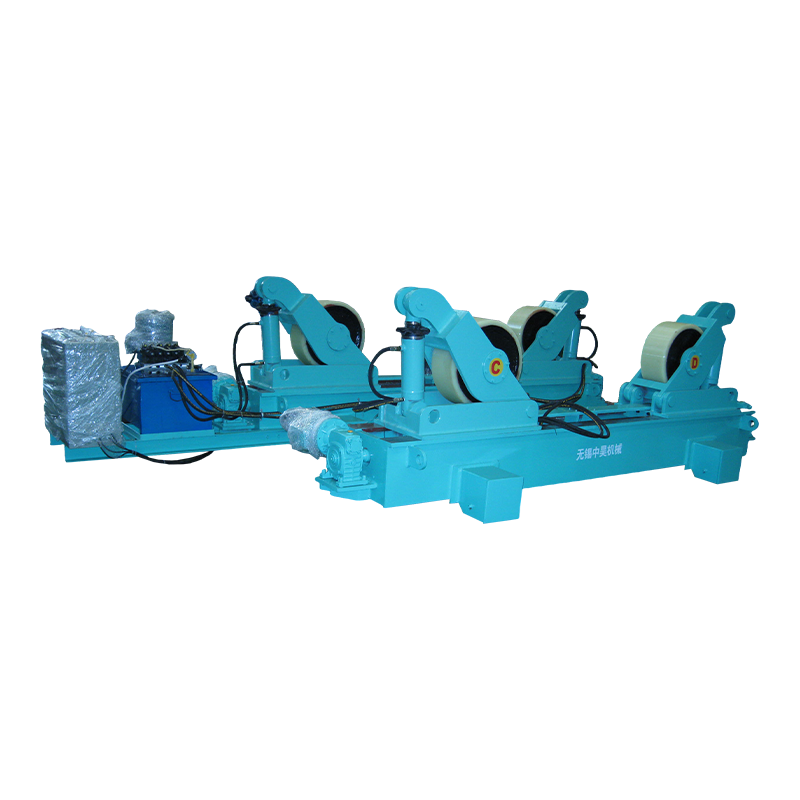
80t fit up welding rotator with manual orbital movement is a special equipment for welding medium and heavy workpieces. It can carry 80 tons and is su...
See Details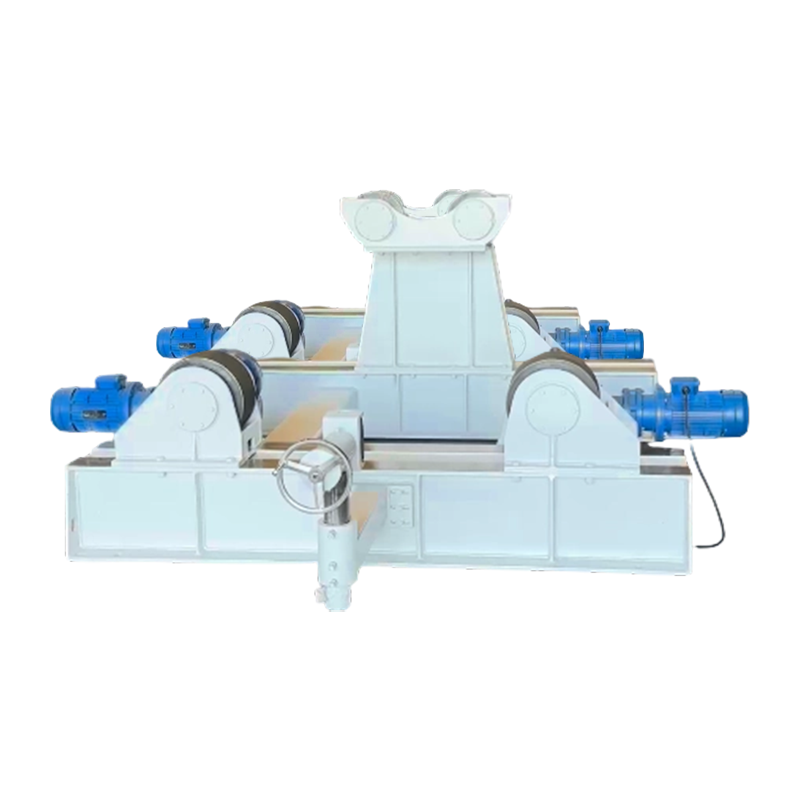
15t welding rotator with additional oven support is specially designed for the manufacturing of large steel structures. It integrates welding displace...
See Details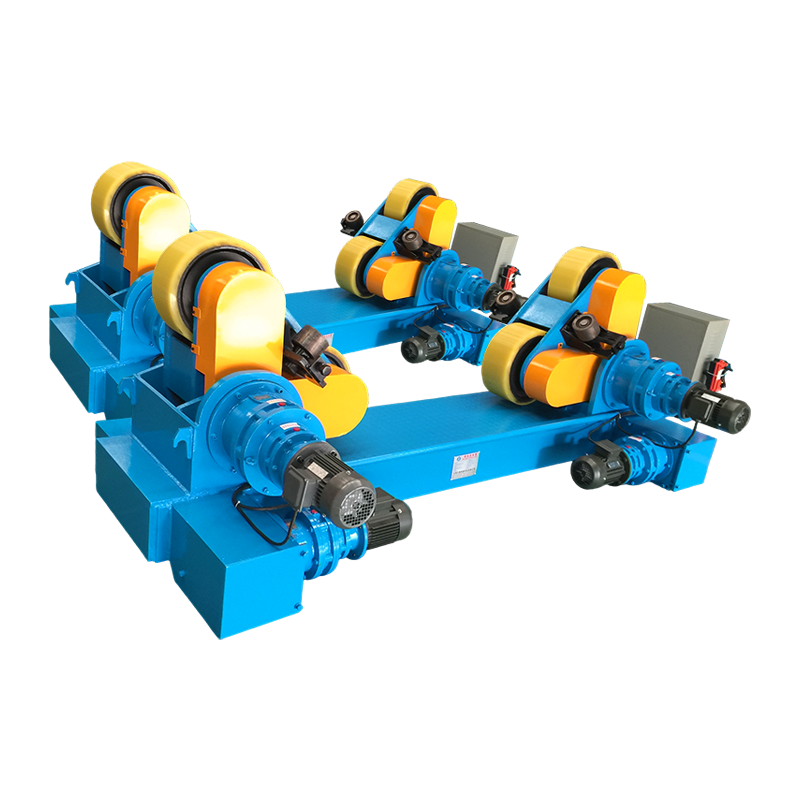
The 40T self-aligning welding rotary machine is a high-end welding positioning device specifically designed for heavy-duty cylindrical workpieces. Equ...
See DetailsContent
Copyright 2025 Wuxi WeldNice Heavy Industry Technology Co., Ltd. All Rights Reserved Custom Automatic Welding Equipment Manufacturers



sales@weldnicefactory.com