 English
 русский
 Español
 عربى
عربى20T Self-Aligning Airfoil Welding Rotary Machine
The 20T airfoil self-aligning welding rotary machine is widely used in industries such as pressure vessels, chemical equipment, wind turbine towers, p...
See Details
In today's competitive manufacturing landscape, companies are constantly seeking ways to improve their welding processes while maintaining quality and reducing operational costs. Welding positioners have become increasingly important tools for achieving these goals, particularly for businesses working with small to medium-sized workpieces. These specialized devices allow operators to position workpieces at optimal angles during welding, which can significantly reduce the need for manual repositioning and improve overall efficiency.
The 100KG Conventional Welding Positioner represents a versatile solution designed specifically for applications requiring precise positioning capabilities. This universal positioning equipment enables continuous 360-degree rotation and substantial tilting movements, making it suitable for various welding scenarios involving shafts, plates, and cylindrical components.
When evaluating welding positioning equipment, several characteristics deserve attention. Modern positioners incorporate advanced engineering and thoughtful design elements that contribute to their effectiveness in industrial environments.
The structural integrity of welding equipment plays a crucial role in its performance and longevity. Quality positioners feature all-steel frames that undergo stress-relief treatments during manufacturing. This process helps maintain dimensional stability over time and reduces the likelihood of deformation during heavy use. The work surface typically includes standardized clamping grooves, which facilitate efficient and secure workpiece mounting.
Variable speed adjustment represents another significant feature of contemporary welding positioners. Frequency conversion speed regulation technology allows operators to precisely control rotation speeds according to specific welding process requirements. Meanwhile, the tilt movement rate remains fixed and stable, ensuring predictable and controlled positioning adjustments.
Modern welding positioners often incorporate dual-mode control options, combining hand control boxes with foot pedal operation. This flexibility enables operators to choose the control method that works best for each application. Common control functions include rotation direction switching, speed adjustment, and emergency stop capabilities, which contribute to both convenience and workplace safety.
| Feature Category | Description | Benefit |
|---|---|---|
| Structure | All-steel frame with stress-relief treatment | Enhanced durability and dimensional stability |
| Work Surface | Standardized clamping grooves | Efficient and secure workpiece mounting |
| Rotation | 360-degree continuous rotation | Comprehensive positioning flexibility |
| Tilting | Large-angle tilting capability | Access to difficult welding positions |
| Speed Control | Frequency conversion regulation | Adaptable to various welding processes |
Welding positioners find utility in numerous industrial sectors where precise welding operations are essential. The adaptability of these devices makes them valuable assets for manufacturers operating in diverse fields.
In machinery manufacturing, components often require welding from multiple angles. Positioners enable operators to access all necessary joint locations without manually repositioning heavy parts. This capability reduces worker fatigue and minimizes the risk of dropping or damaging components during handling.
Pressure vessel fabrication demands high-quality welds with consistent properties. Circumferential seam welding on cylindrical vessels benefits greatly from continuous rotation capabilities. Positioners maintain steady rotation speeds, allowing welders to achieve uniform bead deposition around vessel circumferences.
Many metal fabrication shops work with varied piece sizes and configurations. The modular design of modern welding positioners supports expansion through accessories such as welding chucks and hydraulic positioning devices. This versatility allows fabricators to adapt their equipment to changing production requirements.
| Industry Sector | Typical Applications | Key Advantages |
|---|---|---|
| Machinery Manufacturing | Shaft welding, component assembly | Reduced manual handling, improved access |
| Pressure Vessels | Circumferential seam welding | Consistent weld quality, uniform bead deposition |
| Metal Fabrication | Plate welding, cylindrical components | Flexible positioning, reduced repositioning |
| Structural Steel | Connection welding, detail work | Improved ergonomics, quality consistency |
The integration of multiple control methods in modern welding positioners provides several practical advantages for production environments. Understanding these benefits can help companies make informed decisions about equipment selection.
Hand control boxes offer precise input for operations requiring careful adjustment. Operators can make incremental changes to rotation speed or tilt angle while maintaining visual contact with the weld joint. This level of control proves valuable for complex weld geometries or critical applications where precision matters greatly.
Foot pedal controls enable operators to maintain torch control while adjusting positioner movement. This capability reduces the need to interrupt welding sequences for repositioning tasks. The result is smoother weld starts and stops, potentially improving weld quality by minimizing discontinuities in the weld bead.
Emergency stop functionality accessible through control interfaces provides an important safety feature. In the event of unexpected situations, operators can quickly halt positioner movement, helping prevent accidents or equipment damage. The inclusion of safety controls reflects the importance placed on operator protection in industrial equipment design.
As manufacturing automation continues to advance, welding positioners increasingly serve as components within larger automated systems. The modular design of many positioners facilitates integration with automated welding equipment.
Modern welding positioners often support various accessory options that expand their capabilities. Welding chucks provide secure holding for cylindrical workpieces, while hydraulic positioning devices offer enhanced control over heavier components. These accessories enable custom configuration for specific application requirements.
Equipment installation can present challenges in manufacturing facilities with limited floor space. Positioners featuring fixed-free base designs reduce site restrictions and installation costs. This flexibility allows companies to position equipment where it best serves their workflow rather than being constrained by rigid mounting requirements.
Manufacturers often need equipment that can grow with their operations. Modular welding positioners support future expansion through accessory additions and system upgrades. This scalability helps protect equipment investments by allowing adaptation to changing production needs.
When investing in welding equipment, factors beyond initial capabilities warrant consideration. Maintenance requirements, durability, and long-term performance all contribute to the overall value proposition of welding positioners.
Equipment reliability directly impacts production schedules and operational costs. Positioners built with robust construction techniques and quality materials tend to require less frequent repairs. The all-steel frame design with stress-relief treatment helps maintain precision over extended periods of use.
Equipment that is easy to maintain reduces downtime and service costs. Thoughtful design includes accessible components and clear maintenance procedures. When evaluating positioners, companies should consider the availability of technical support, replacement parts, and service documentation.
Effective welding positioners contribute to process improvements beyond simple workpiece handling. By reducing the number of workpiece flips and repositioning operations, these devices help optimize welding workflows. Fewer handling steps reduce opportunities for damage and decrease total production time.
Welding quality often improves as well, since consistent positioning allows welders to maintain proper technique throughout the operation. The combination of quality improvements and efficiency gains can produce measurable benefits for manufacturing operations.
| Consideration Factor | Long-Term Impact |
|---|---|
| Build Quality | Material selection, construction methods |
| Service Access | Component accessibility, documentation |
| Scalability | Accessory options, upgrade paths |
| Technical Support | Availability, response time, expertise |
The 100KG Conventional Welding Positioner exemplifies the features and capabilities that modern manufacturers seek in positioning equipment. Its combination of robust construction, flexible control options, and modular design makes it suitable for diverse applications across multiple industries. Companies evaluating welding positioners should consider their specific production requirements while keeping in mind the long-term benefits of reliable positioning equipment.
By carefully selecting and implementing appropriate welding positioners, manufacturers can reduce workpiece handling, improve weld quality, and enhance overall production efficiency. These benefits contribute to competitive advantages in today's demanding manufacturing environment.
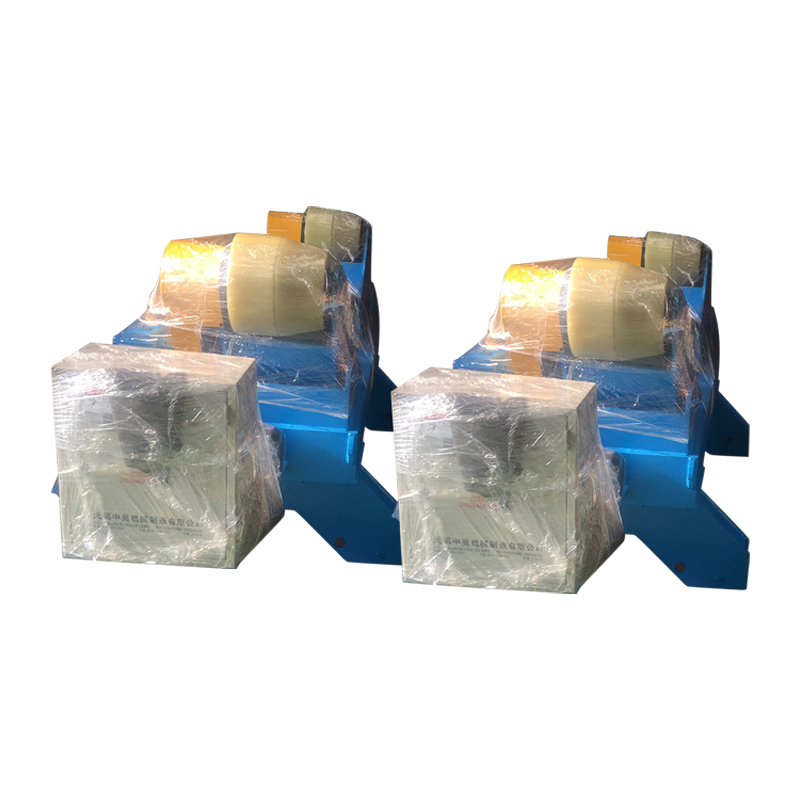
The 20T airfoil self-aligning welding rotary machine is widely used in industries such as pressure vessels, chemical equipment, wind turbine towers, p...
See Details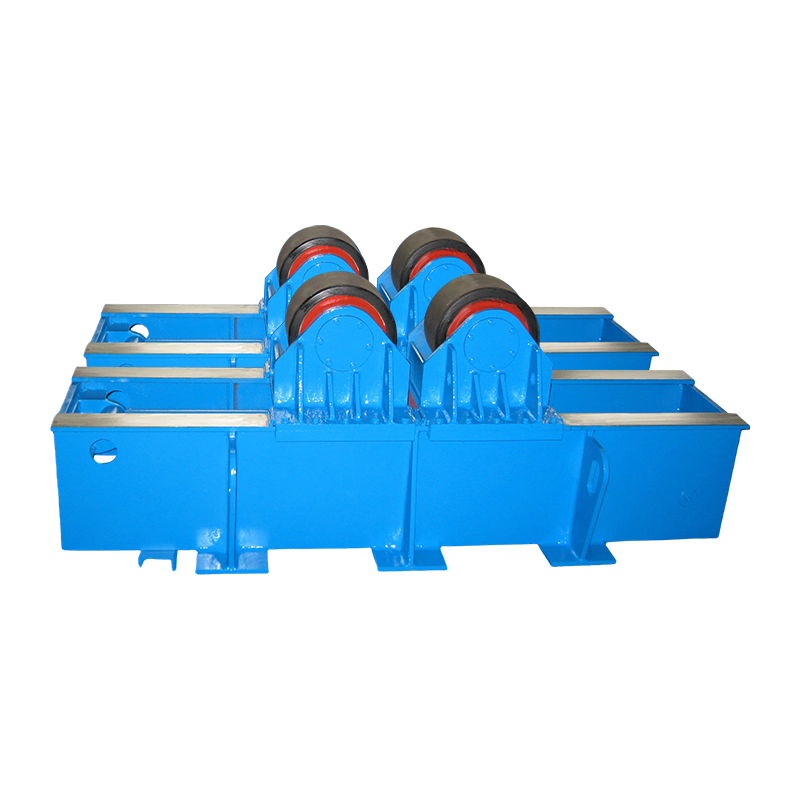
40T Fit Up Welding Rotator with Hydraulic Horizontal Pushing has a rated load of 40 tons and focuses on the assembly and welding of small and medium-s...
See Details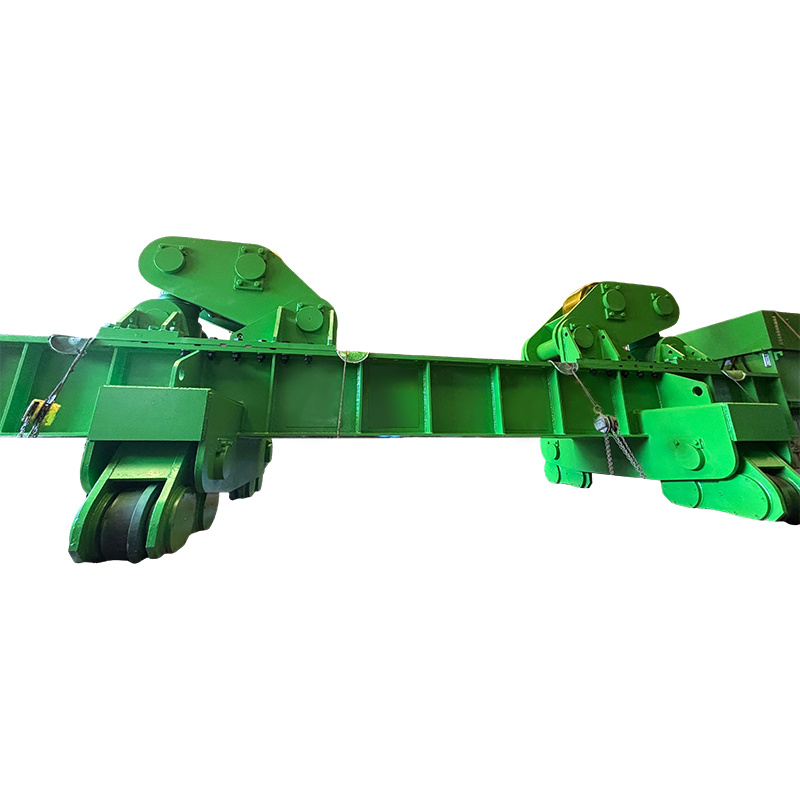
The 800T Fit Up Welding Rotator with Manual Orbital Movement is a special equipment for welding super-heavy workpieces, with a load capacity of up to ...
See Details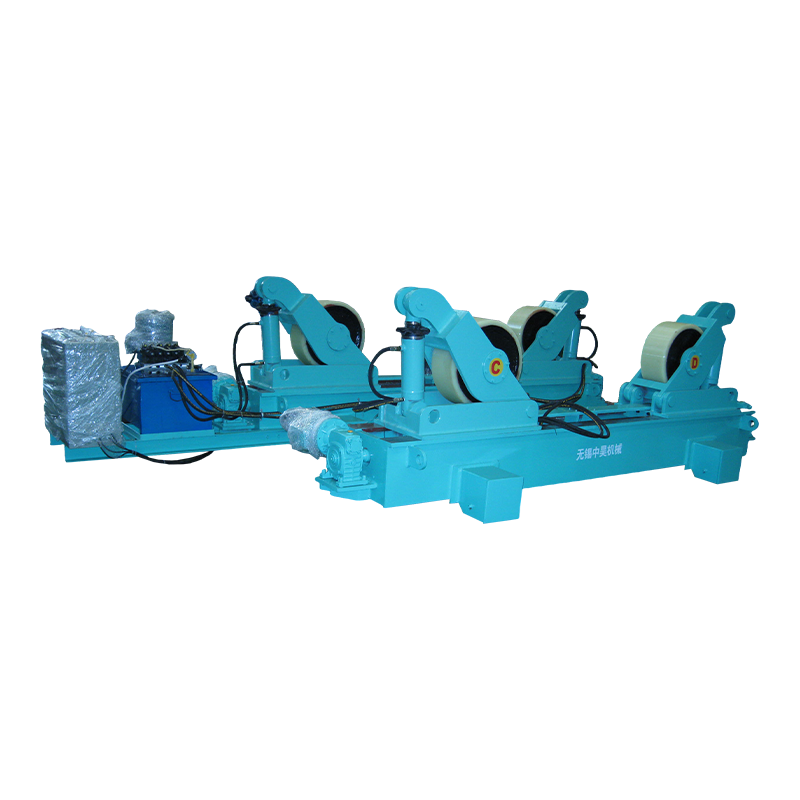
80t fit up welding rotator with manual orbital movement is a special equipment for welding medium and heavy workpieces. It can carry 80 tons and is su...
See Details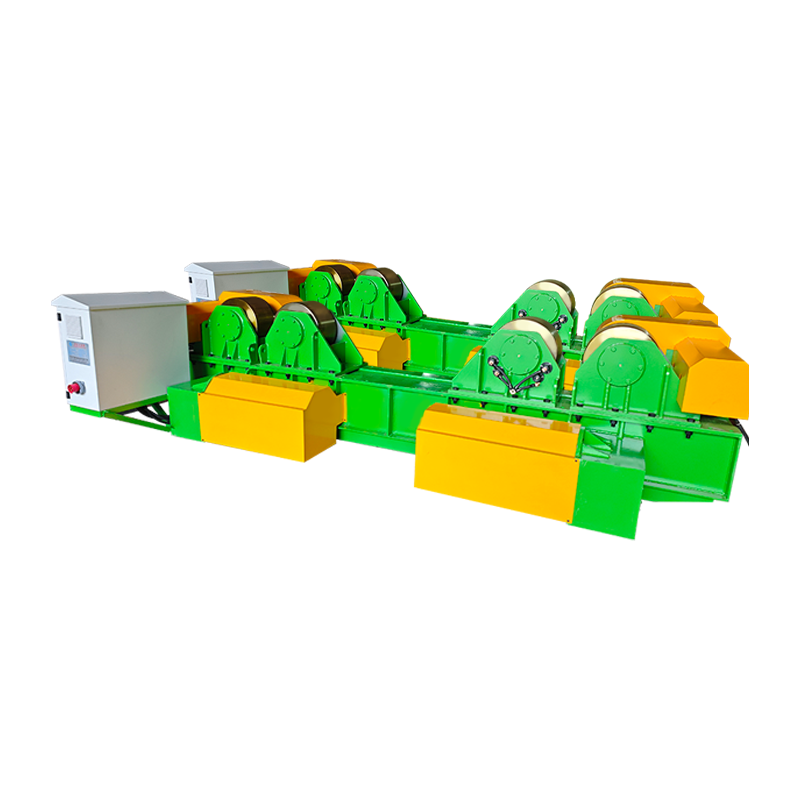
The 40t fit up welding rotator with hydraulic lifting manual orbital movement is a medium-sized welding auxiliary equipment with a load capacity of 40...
See Details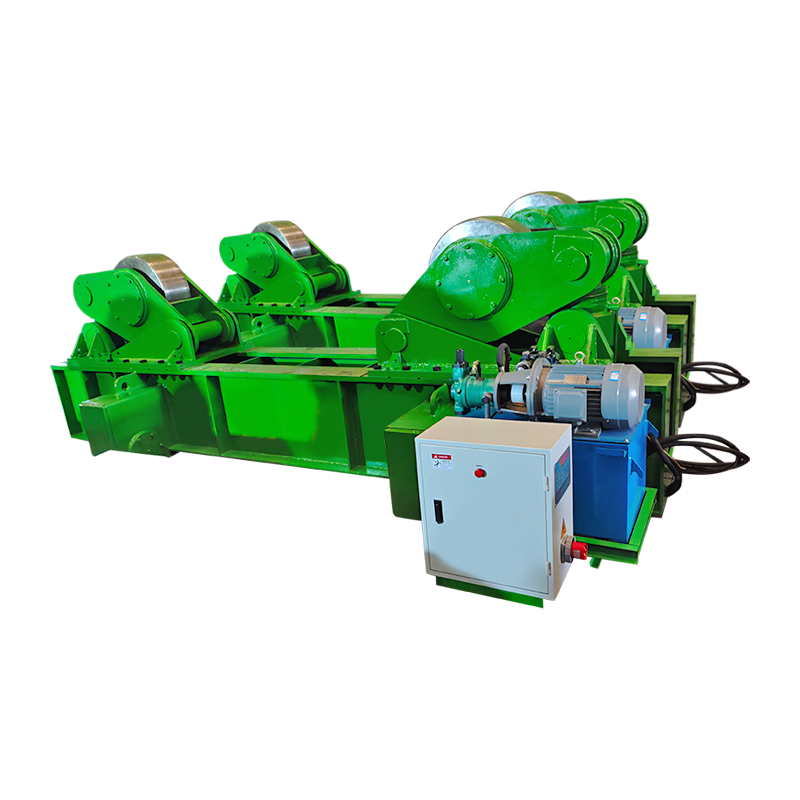
The 300t fit up welding rotator with manual orbital movement has a 300-ton load-bearing capacity and can stably support large cylindrical workpieces, ...
See DetailsCopyright 2025 Wuxi WeldNice Heavy Industry Technology Co., Ltd. All Rights Reserved Custom Automatic Welding Equipment Manufacturers



sales@weldnicefactory.com