 English
 русский
 Español
 عربى
عربى20T Self-Aligning Airfoil Welding Rotary Machine
The 20T airfoil self-aligning welding rotary machine is widely used in industries such as pressure vessels, chemical equipment, wind turbine towers, p...
See Details
Modern manufacturing industries, especially those dealing with large cylindrical components, face ongoing challenges when it comes to welding efficiency and quality. Sectors such as pressure vessel manufacturing, chemical equipment production, wind turbine tower construction, pipeline manufacturing, and storage tank welding all require reliable equipment to handle heavy workpieces while maintaining precision throughout the welding process. Traditional rotary machines often require frequent manual adjustments, which can slow down production and increase labor costs.
In response to these challenges, equipment manufacturers have developed innovative solutions that incorporate automation and advanced material technology. The focus has shifted towards creating machines that can adapt to varying workpiece sizes automatically, reducing the need for operator intervention. This evolution in welding technology aims to improve productivity while maintaining the high standards required by safety-critical industries.
The 20T Self-Aligning Airfoil Welding Rotary Machine represents a significant advancement in welding rotation technology. At the core of its design is the airfoil roller system, which features a self-aligning mechanism. This mechanism automatically adjusts both the angle and spacing between rollers based on the diameter of the workpiece being welded. Such adaptability ensures that the workpiece receives stable support and maintains proper center alignment throughout the welding operation.
The automatic adjustment capability addresses one of the most common frustrations in welding shops: the time-consuming process of manually repositioning rollers when switching between workpieces of different sizes. By eliminating this manual step, the equipment helps streamline production workflows and allows operators to focus on the welding quality rather than equipment setup.
Heavy-duty welding operations demand equipment that can handle substantial weight without compromising performance. This particular machine offers a load-bearing capacity reaching 20 tons, making it suitable for handling large and heavy cylindrical components commonly found in industrial applications. The ability to support such heavy loads while maintaining smooth rotation is essential for consistent weld quality.
Another important aspect of the design is the choice of materials for the rollers. The rollers on this equipment are constructed from wear-resistant polyurethane, a material selected for several beneficial properties. Polyurethane rollers provide a balance between durability and workpiece protection. They are designed to prevent scratches and surface damage to the workpiece, which is particularly important when dealing with finished components or materials that require a pristine surface.
In addition to protecting workpiece surfaces, polyurethane rollers offer shock absorption characteristics. This feature helps dampen vibrations that can occur during rotation, contributing to smoother operation. The material also provides anti-slip properties, ensuring that the workpiece maintains consistent contact with the rollers during the welding process. These combined characteristics help create stable rotation conditions even for heavy cylinders.
The versatility of self-aligning rotary equipment makes it valuable across multiple industrial sectors. In pressure vessel manufacturing, where cylindrical components must be welded with high precision, the ability to automatically adjust to different vessel diameters streamlines production. Chemical equipment production often involves vessels and tanks of various sizes, and equipment that can quickly adapt to these changes improves overall shop efficiency.
Wind turbine tower construction presents unique challenges due to the large diameter and substantial weight of tower sections. Equipment with high load capacity and self-aligning features is particularly beneficial in this context. Similarly, pipeline manufacturing requires consistent rotation of pipe sections during welding operations. The automatic alignment feature ensures proper centering, which is crucial for achieving quality welds along pipe seams.
Storage tank welding operations also benefit from this technology. Tanks come in various diameters, and the ability to adjust roller positioning without manual intervention saves considerable setup time. The stable support provided by properly aligned rollers contributes to uniform weld deposition around the tank circumference.
Implementing equipment with self-aligning capabilities can lead to measurable improvements in production efficiency. The reduction in manual setup time translates directly into higher throughput. Operators spend less time adjusting machinery and more time on value-added activities such as welding and inspection.
Furthermore, the consistent alignment provided by the self-aligning mechanism helps maintain uniform weld quality. When workpieces are properly centered and supported, welding parameters can be applied more consistently. This consistency reduces the likelihood of defects that might require rework, thereby saving both time and materials.
The wear-resistant nature of polyurethane rollers also contributes to long-term efficiency by reducing maintenance requirements. Durable rollers require less frequent replacement, minimizing downtime associated with equipment maintenance. The shock absorption properties further help protect both the workpiece and the equipment from the stresses of heavy-duty operation.
Modern welding equipment design increasingly considers the operator experience and workplace safety. Equipment that requires less manual adjustment reduces the physical strain on operators. Instead of needing to reposition heavy rollers manually, operators can rely on the machine's automatic adjustment capabilities.
The stable support and anti-slip properties of the rollers contribute to safer working conditions. Workpieces that are securely held in place are less likely to shift unexpectedly during rotation. This stability, combined with smooth operation, creates a more controlled and predictable working environment.
Reduced manual intervention also means fewer opportunities for operator error. When equipment automatically handles alignment tasks, the risk of improper roller positioning decreases. This automation helps ensure that workpieces are always supported in the correct configuration for optimal welding conditions.
The 20T Self-Aligning Airfoil Welding Rotary Machine is designed to function as a core component in modern welding production lines. Its capabilities make it suitable for integration into automated or semi-automated welding systems. The consistent rotation and stable support it provides are essential for mechanized welding processes.
When incorporated into a production line, this equipment can work in conjunction with welding manipulators, automated welding heads, and positioners. The self-aligning feature ensures that the rotary machine adapts to different workpiece sizes without requiring reprogramming or complex adjustments to the overall system configuration.
This flexibility allows production facilities to handle a variety of workpieces on the same line without major equipment changeovers. The ability to switch between different product sizes quickly and efficiently helps manufacturers respond to changing production demands and customer requirements.
As industrial manufacturing continues to evolve, the demand for equipment that combines capacity, automation, and reliability will likely grow. Self-aligning technology represents one direction in which welding equipment is developing to meet these demands. The focus on reducing manual intervention while maintaining precision and handling capacity reflects broader trends in industrial automation.
Material innovations, such as the use of advanced polyurethane compounds, will continue to play a role in improving equipment performance and durability. The balance between protecting workpiece surfaces and providing reliable traction is an ongoing area of development.
Manufacturers looking to improve their welding operations may find that investing in equipment with self-aligning capabilities provides significant operational benefits. The combination of reduced setup time, consistent workpiece alignment, and high load capacity addresses several key challenges in heavy welding applications.
Self-aligning rotary welding machines offer practical solutions to common challenges faced by industries working with large cylindrical components. Through features such as automatic angle and spacing adjustment, high load-bearing capacity, and durable roller materials, this equipment helps improve production efficiency and weld quality. As industries continue to seek ways to enhance productivity while maintaining high standards, equipment that reduces manual intervention and provides reliable performance will remain a valuable asset in welding operations worldwide.
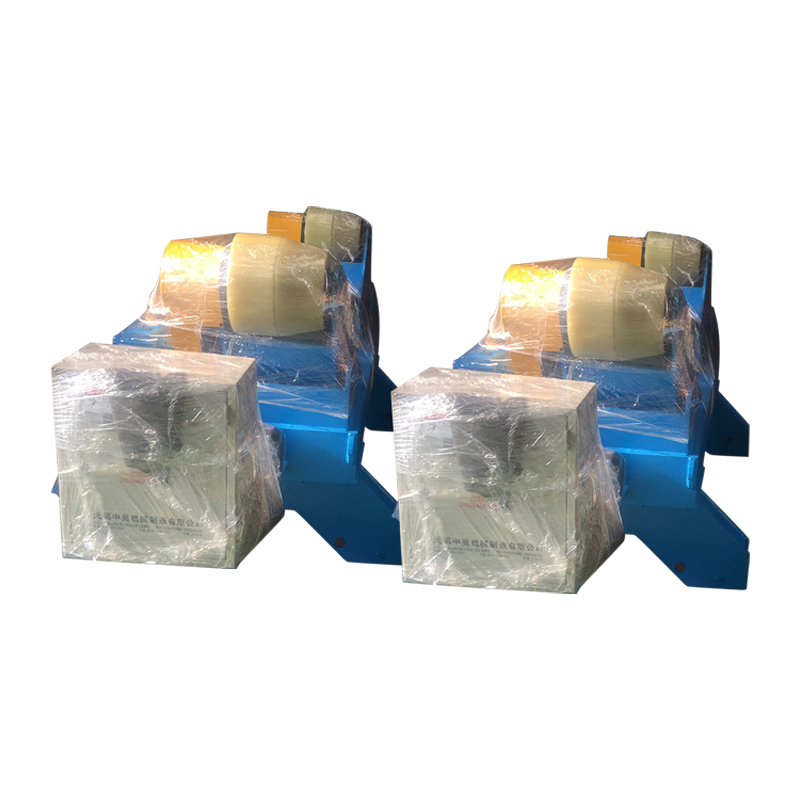
The 20T airfoil self-aligning welding rotary machine is widely used in industries such as pressure vessels, chemical equipment, wind turbine towers, p...
See Details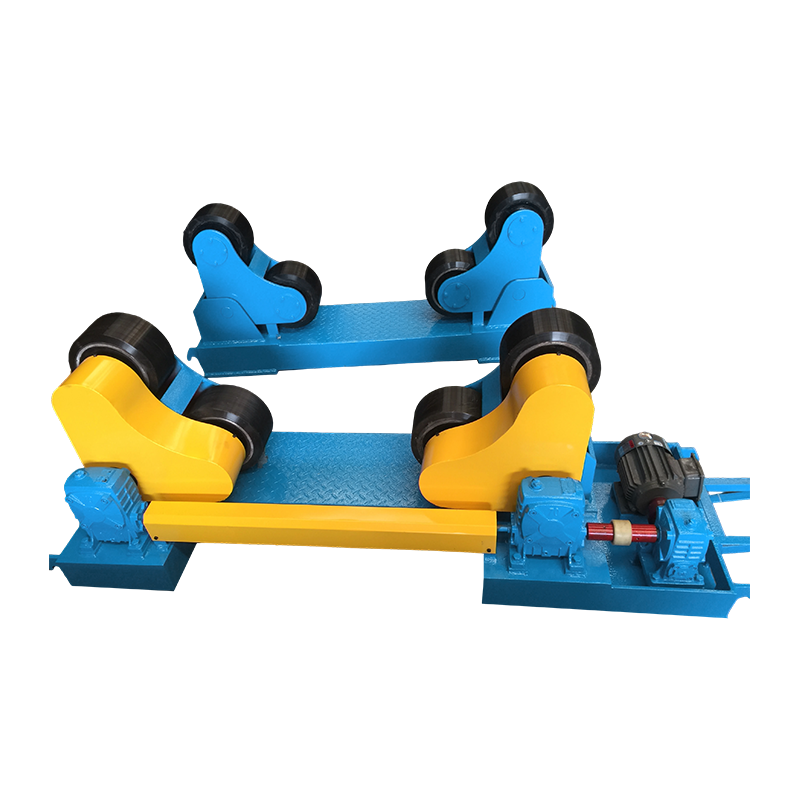
The 10T Extended Self-Aligning Welding Rotary Machine features a self-aligning design, automatically adjusting the balance of the workpiece to ensure ...
See Details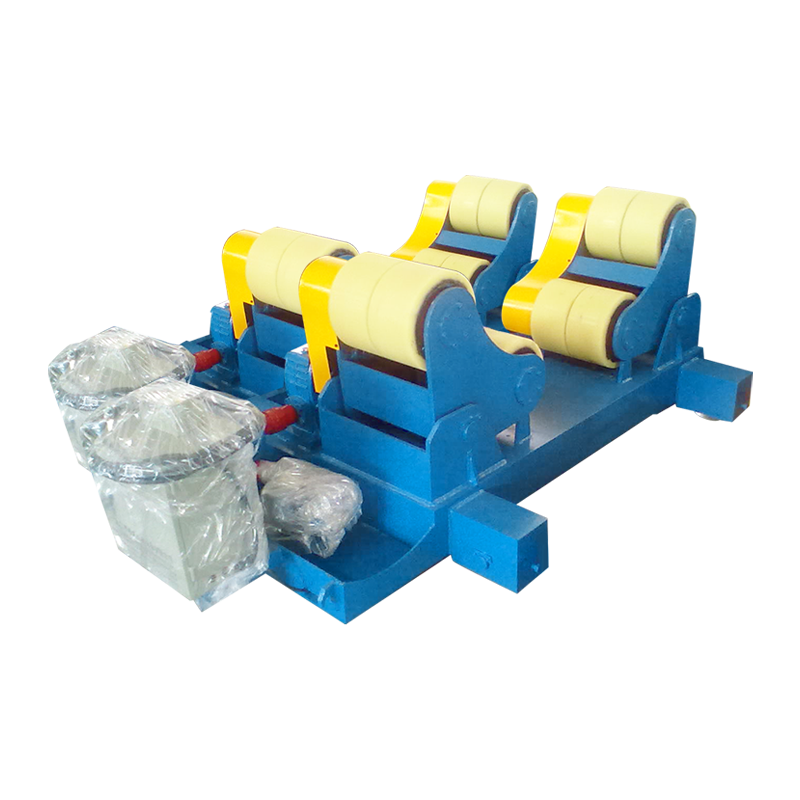
This 10T Manual Track Widened Self-Aligning Welding Rotary Machine combines manual track movement with self-aligning functionality. It ensures stable ...
See Details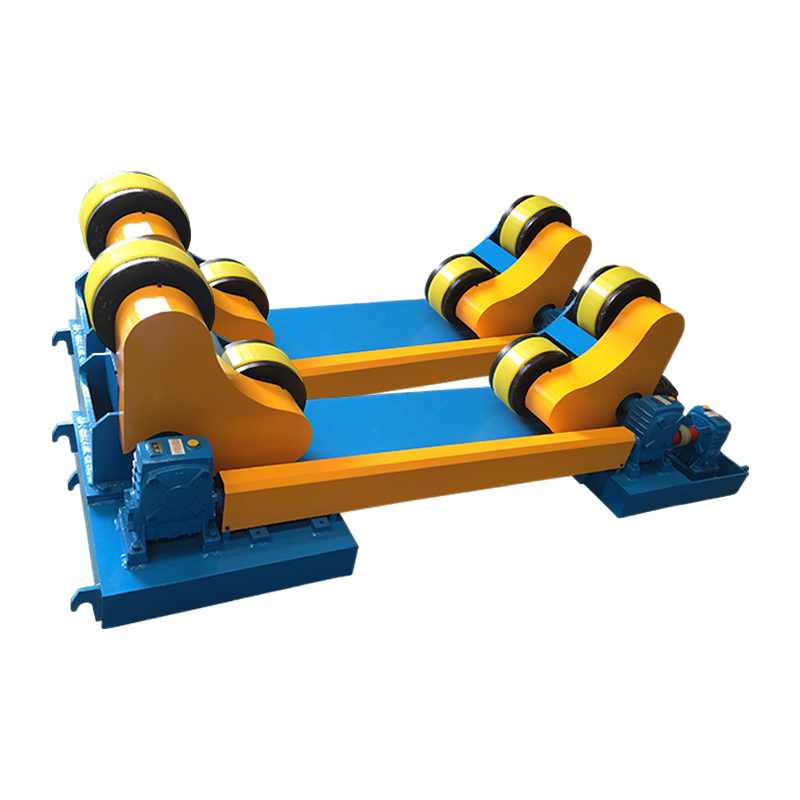
The 10T self-aligning welding rotary machine (with manual track movement and extended version) is a high-performance device specifically designed for ...
See Details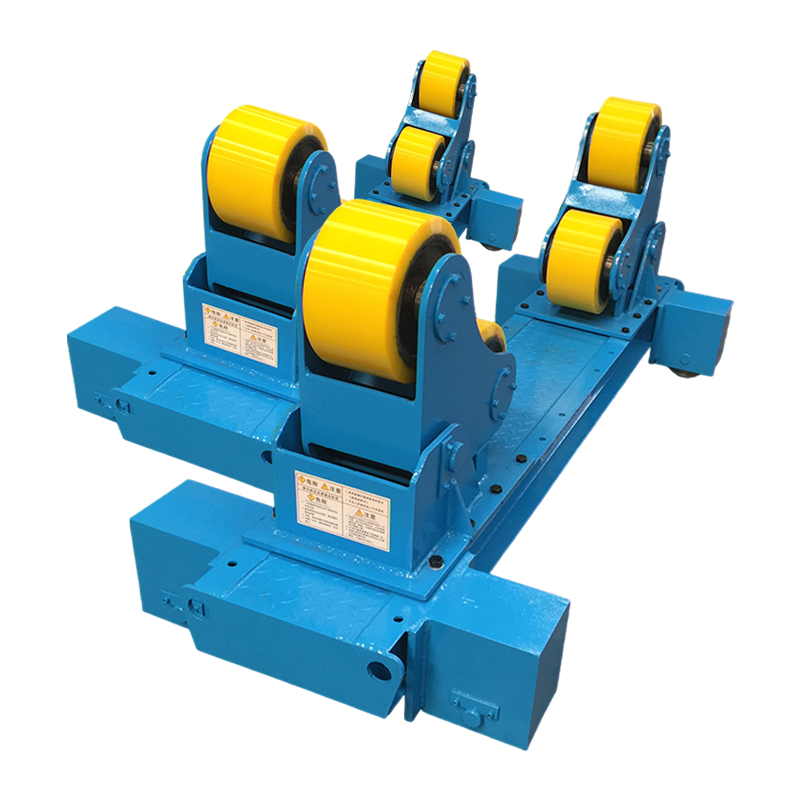
The 20T Self-Aligning Welding Rotator with Manual Orbital Movement and Additional Double Cycloidal Connected Reducer is a specialized piece of equipme...
See Details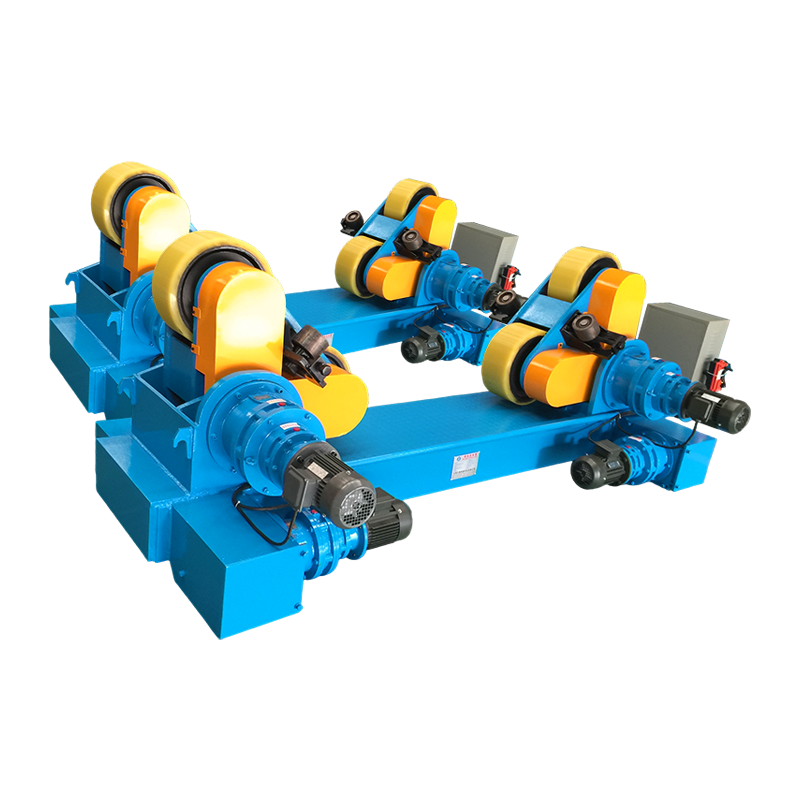
The 40T self-aligning welding rotary machine is a high-end welding positioning device specifically designed for heavy-duty cylindrical workpieces. Equ...
See DetailsCopyright 2025 Wuxi WeldNice Heavy Industry Technology Co., Ltd. All Rights Reserved Custom Automatic Welding Equipment Manufacturers



sales@weldnicefactory.com