 English
 русский
 Español
 عربى
عربى20T Self-Aligning Airfoil Welding Rotary Machine
The 20T airfoil self-aligning welding rotary machine is widely used in industries such as pressure vessels, chemical equipment, wind turbine towers, p...
See Details
In the welding industry, dealing with heavy cylindrical workpieces has always presented considerable challenges. Large pipes, pressure vessels, and storage tanks require specialized equipment that can support significant weight while maintaining precise control during the welding process. Operators and project managers frequently ask how to ensure stable rotation, prevent workpiece drift, and achieve accurate positioning in multi-point welding scenarios. Addressing these concerns is essential for maintaining weld quality, reducing rework, and improving overall operational safety.
Recent advancements in welding positioning technology have introduced solutions designed specifically for heavy-duty applications. One such innovation is the 40T Self-Aligning Welding Rotary Machine With Electric Track Movement And Anti-Drift Function, a device engineered to handle demanding welding tasks while delivering reliable performance.
Welding large cylindrical structures involves more than just managing weight. These components often require multiple welding passes at various positions along their length. Traditional methods, such as manual turning or using basic roller stands, can lead to inconsistent rotation speed, misalignment, and safety hazards. When a workpiece drifts during rotation, the weld joint may become uneven, potentially compromising the integrity of the finished product.
Furthermore, for long pipes or extensive cylindrical sections, welders need to move along the workpiece to access different welding points. This movement requires equipment that can adjust position smoothly and stop precisely where needed. The question of how to combine stable rotation with flexible positioning has driven the development of more sophisticated welding rotators.
One of the key features that addresses the need for flexibility is electric track movement. Unlike stationary roller frames that hold the workpiece in a fixed location, machines equipped with track capabilities can move along the length of the workshop. This functionality is particularly beneficial when welding large workpieces or long pipes.
With electric track movement, the roller frame can travel along the track, enabling multi-point positioning without requiring the operator to manually reposition heavy equipment. This capability supports automated welding linkage systems, allowing the welding torch to work in sync with the rotator's movement. As a result, the welding process becomes more continuous and efficient, reducing the time spent on setup and adjustments.
For facilities focusing on productivity, the ability to electrically position the rotator means that workflow can be optimized. The machine can be moved to the exact location where welding is required, ensuring that the workpiece is always in the most accessible position for the welding operator or automated system.
Stability is crucial during any welding operation, but it becomes even more critical when dealing with heavy loads. The force of rotation, combined with the weight of the workpiece, can sometimes cause unintended movement, commonly referred to as drift. Drift can lead to irregular weld beads and increase the risk of accidents.
To combat this issue, modern welding rotators incorporate an anti-drift function. This system typically employs high-precision guide rails combined with a brake control system. The guide rails ensure that the movement remains linear and smooth, while the brake control provides immediate stopping power when needed.
When the 40T Self-Aligning Welding Rotary Machine With Electric Track Movement And Anti-Drift Function is in operation, this anti-drift technology actively prevents the workpiece from shifting unexpectedly. By maintaining a steady position, the welder can focus on the welding technique rather than constantly adjusting for movement. This consistency contributes directly to the quality of the weld and the safety of the working environment.
Handling workpieces weighing up to 40 tons requires robust construction and intelligent design. Self-aligning rollers play a vital role in this context. When a heavy cylindrical component is placed on the rotator, the rollers automatically adjust to fit the diameter of the workpiece. This self-alignment ensures that the weight is distributed evenly across the support structure.
Even distribution of weight reduces wear on the machine and prevents damage to the workpiece. It also simplifies the setup process, as operators do not need to manually adjust each roller to accommodate different sizes. This feature is especially useful in workshops that handle a variety of cylindrical components with varying diameters.
The trend toward automation in welding continues to grow, and positioning equipment must keep pace. Welding rotators that feature electric track movement are well-suited for integration with automated welding carriages and robotic systems. The ability to control the rotator's position electronically allows for seamless communication between different pieces of equipment.
In an automated setup, the rotator can receive signals to move to a specific coordinate or rotate at a precise speed. This level of control is essential for repetitive, high-volume production runs where consistency is paramount. By reducing human intervention, the likelihood of error is decreased, and overall throughput can increase.
Safety remains a top priority in any industrial setting. Heavy lifting and rotating equipment pose inherent risks, making reliability a non-negotiable aspect of machinery selection. The inclusion of brake control systems and high-stability guide rails directly addresses these safety concerns.
By preventing drift, the machine reduces the chance of the workpiece slipping out of position. Additionally, the electric track movement minimizes the need for manual pushing or pulling of heavy equipment, reducing the physical strain on operators and lowering the risk of musculoskeletal injuries. These features create a safer working environment where personnel can operate with confidence.
For companies involved in the fabrication of large cylindrical structures, the choice of welding positioning equipment has a significant impact on operational efficiency and product quality. The ability to move electrically along a track, combined with anti-drift technology, provides a practical solution to common welding challenges. The 40T Self-Aligning Welding Rotary Machine With Electric Track Movement And Anti-Drift Function exemplifies how modern engineering meets the specific needs of heavy-duty welding applications.
By ensuring stable rotation, precise positioning, and enhanced safety, this equipment helps workshops achieve their production goals while maintaining high standards of weld integrity. As the industry continues to evolve, such technologies will play a central role in shaping the future of heavy fabrication.
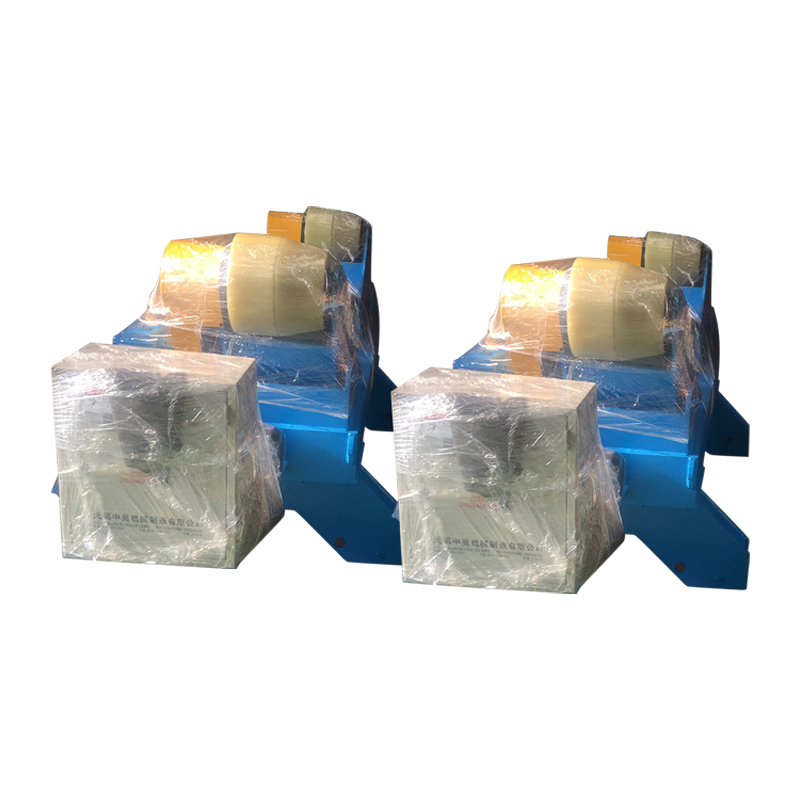
The 20T airfoil self-aligning welding rotary machine is widely used in industries such as pressure vessels, chemical equipment, wind turbine towers, p...
See Details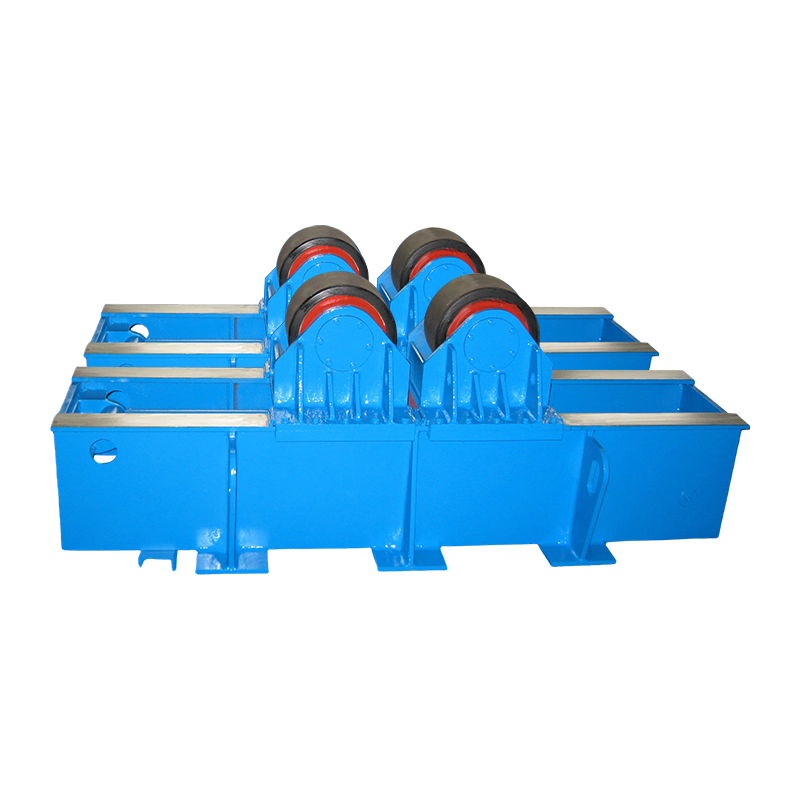
40T Fit Up Welding Rotator with Hydraulic Horizontal Pushing has a rated load of 40 tons and focuses on the assembly and welding of small and medium-s...
See Details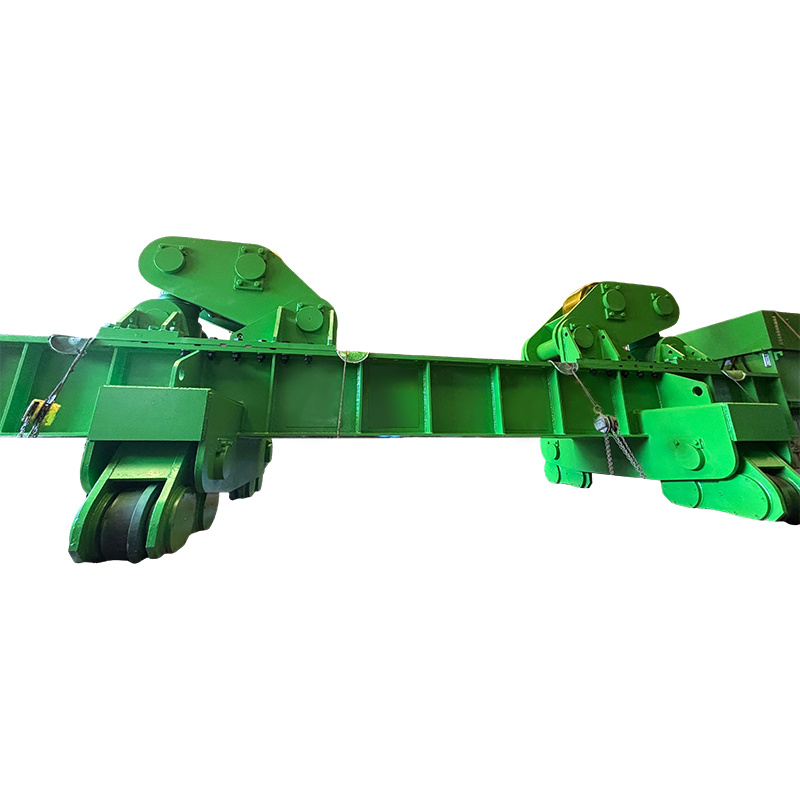
The 800T Fit Up Welding Rotator with Manual Orbital Movement is a special equipment for welding super-heavy workpieces, with a load capacity of up to ...
See Details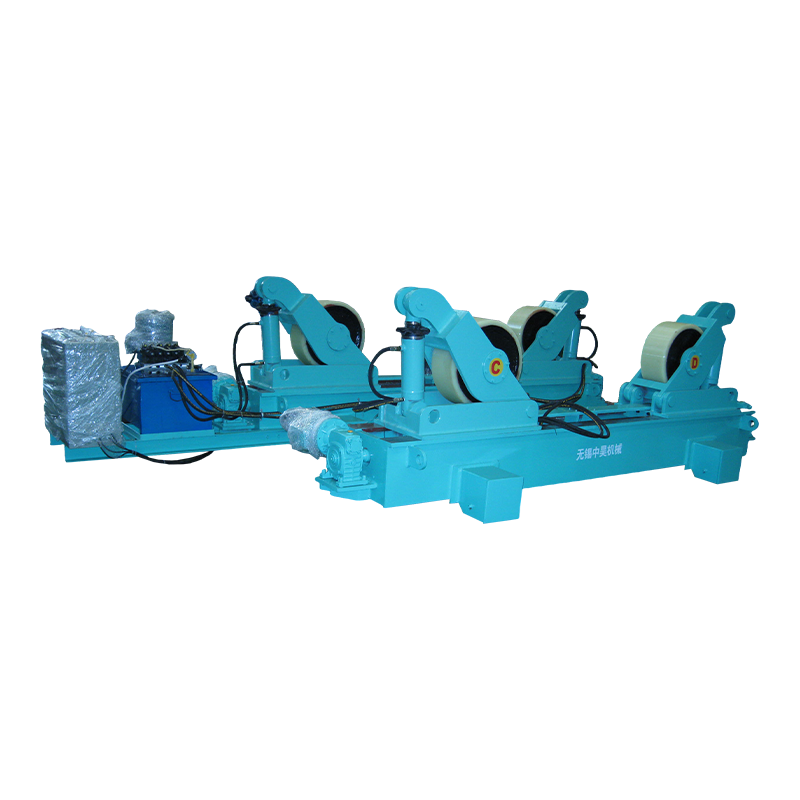
80t fit up welding rotator with manual orbital movement is a special equipment for welding medium and heavy workpieces. It can carry 80 tons and is su...
See Details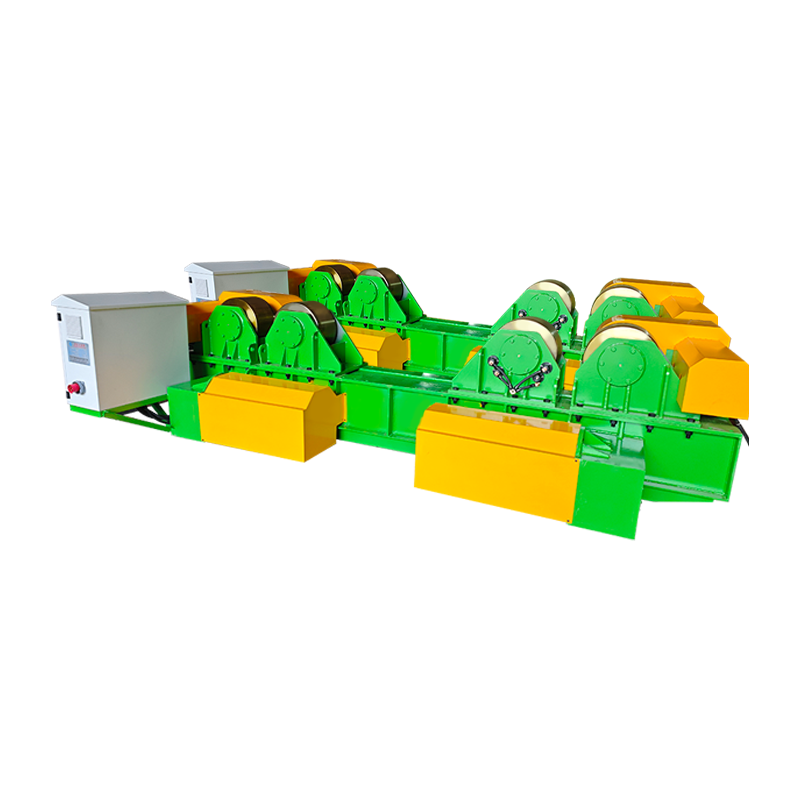
The 40t fit up welding rotator with hydraulic lifting manual orbital movement is a medium-sized welding auxiliary equipment with a load capacity of 40...
See Details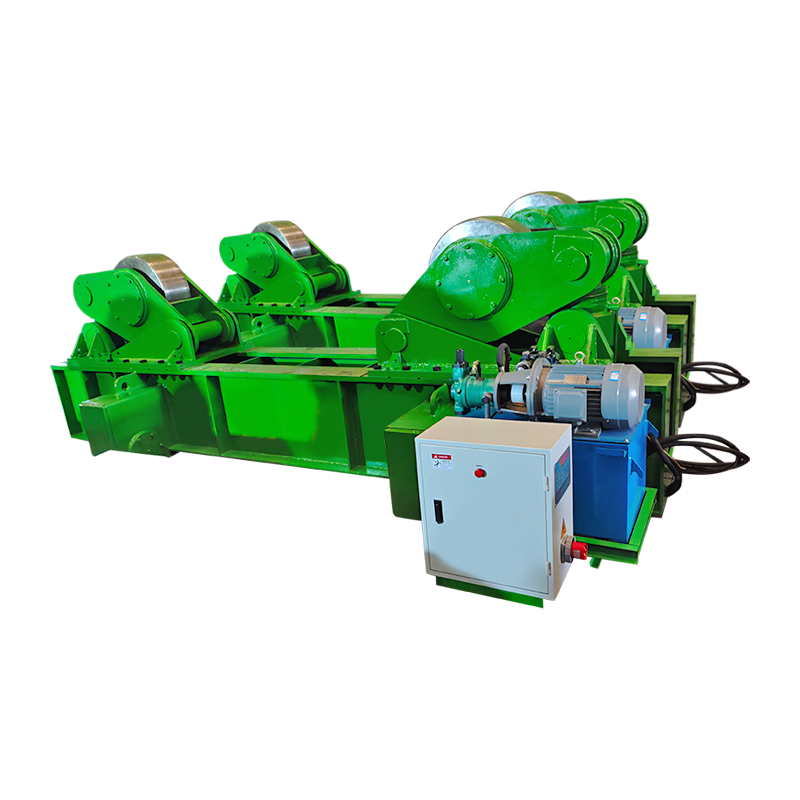
The 300t fit up welding rotator with manual orbital movement has a 300-ton load-bearing capacity and can stably support large cylindrical workpieces, ...
See DetailsCopyright 2025 Wuxi WeldNice Heavy Industry Technology Co., Ltd. All Rights Reserved Custom Automatic Welding Equipment Manufacturers



sales@weldnicefactory.com